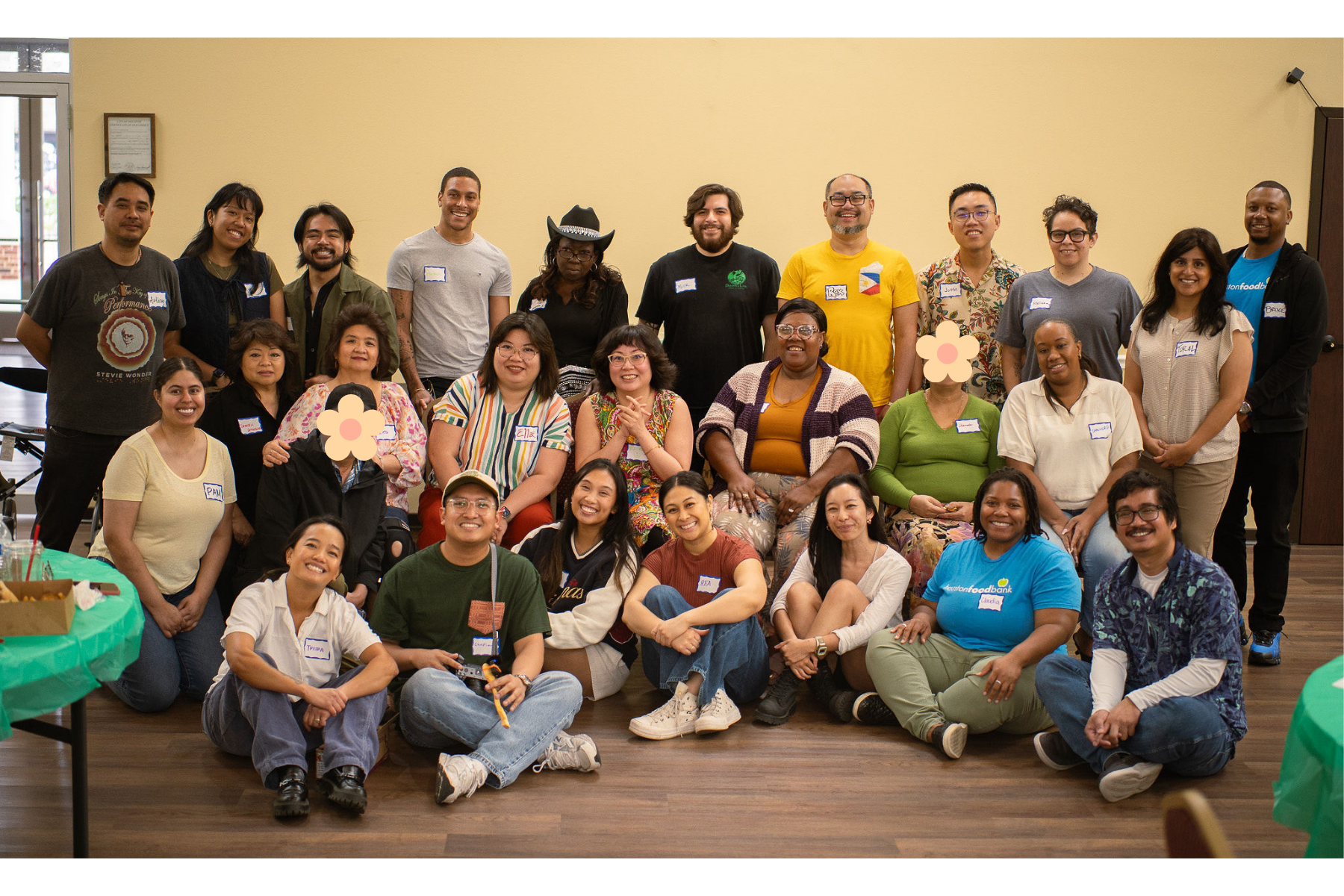
Houston Food Bank
Lualo Studio:
&
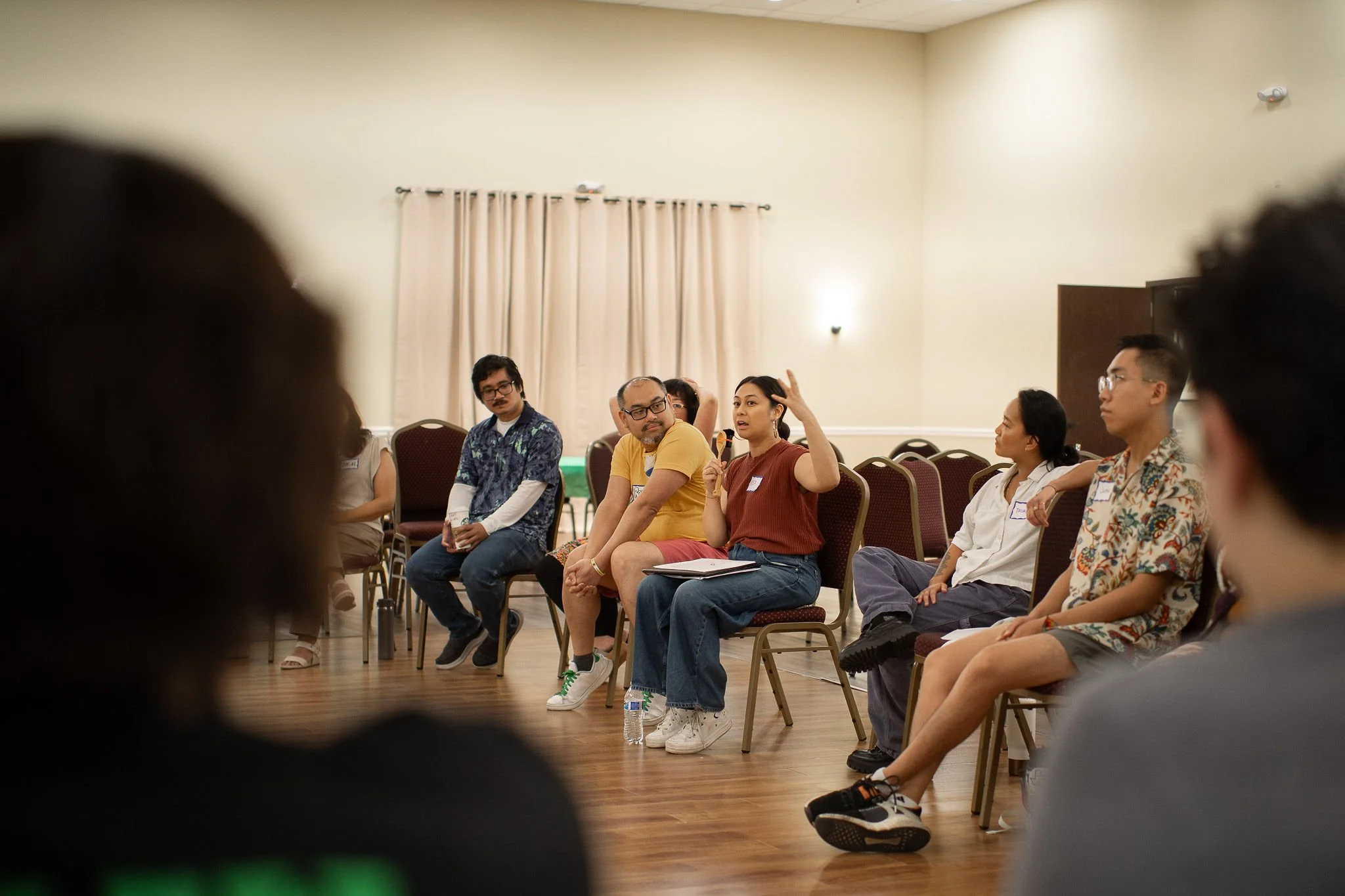
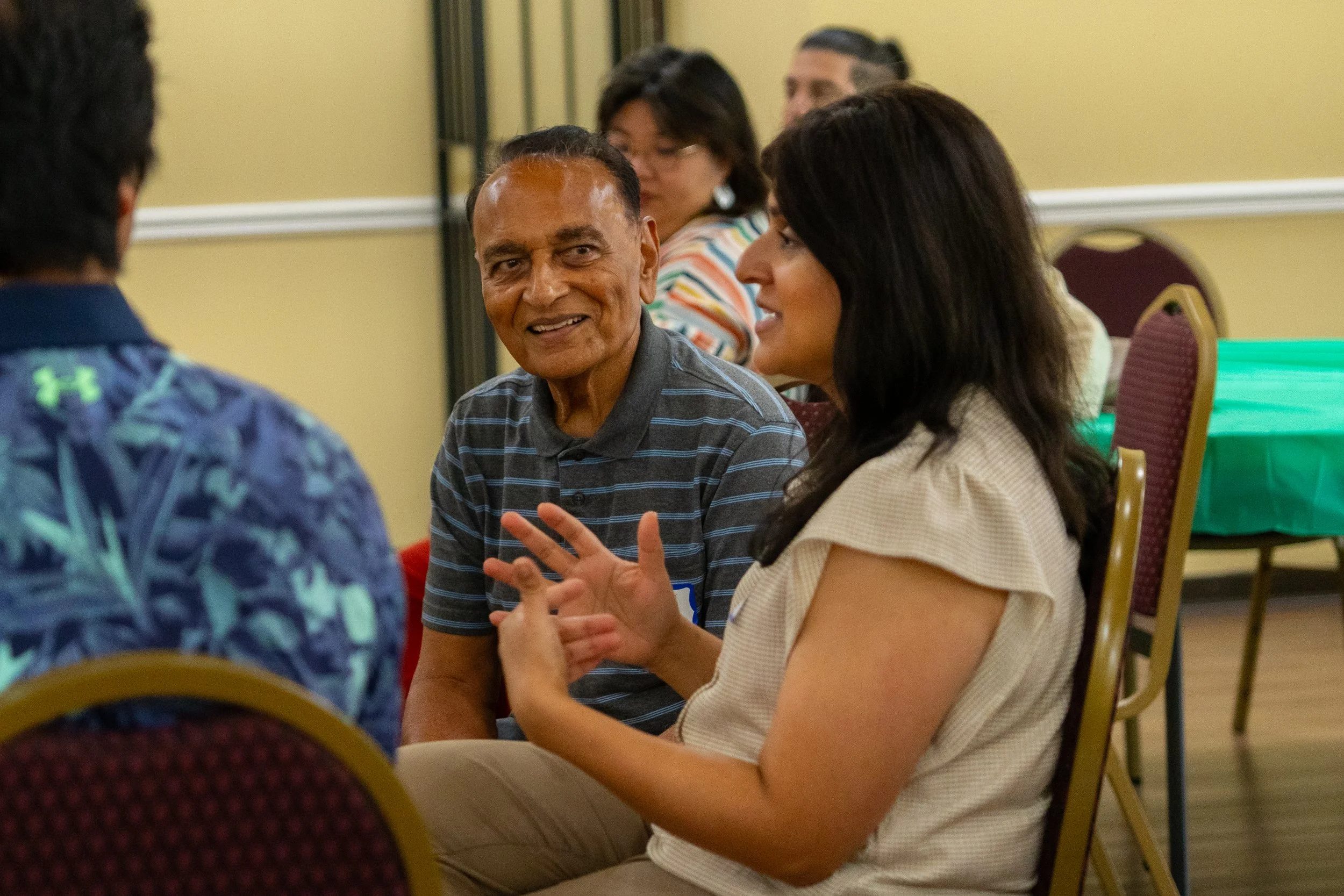
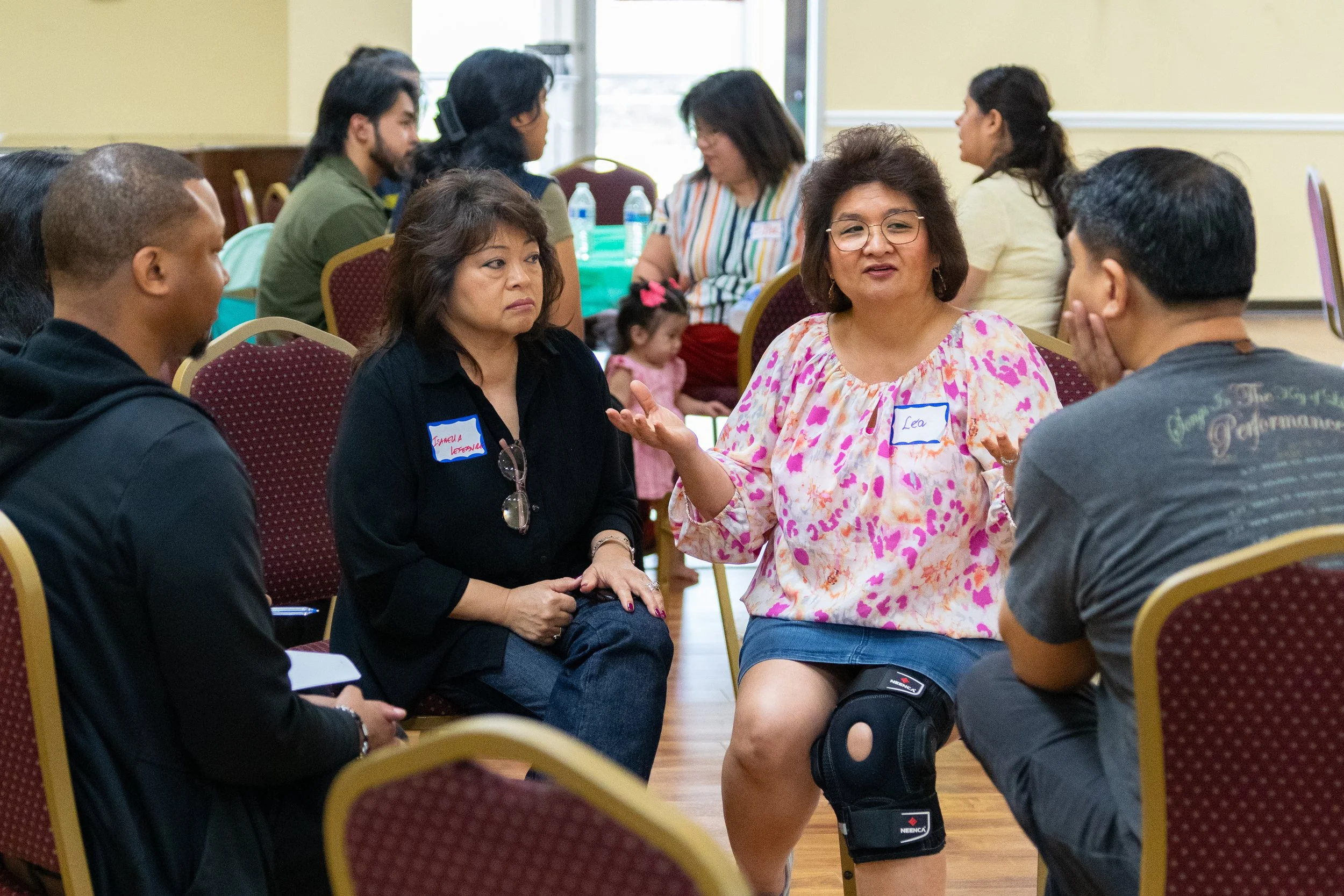
Story Circle Art Making
&
Held March 7, 2026 At the Philippine Community Center
What would a community that truly nourishes everyone look like?
✍︎
What would a community that truly nourishes everyone look like? ✍︎
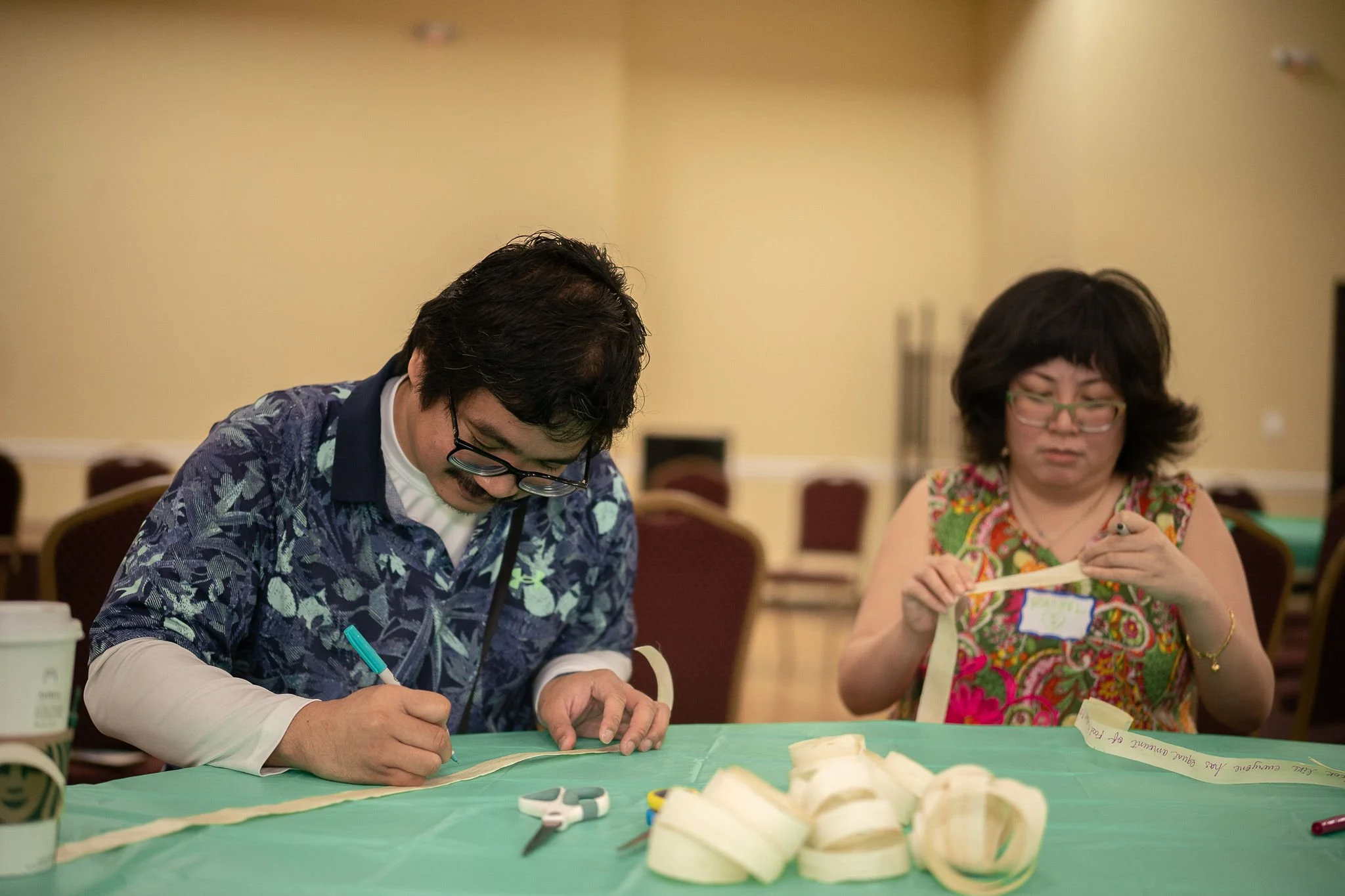
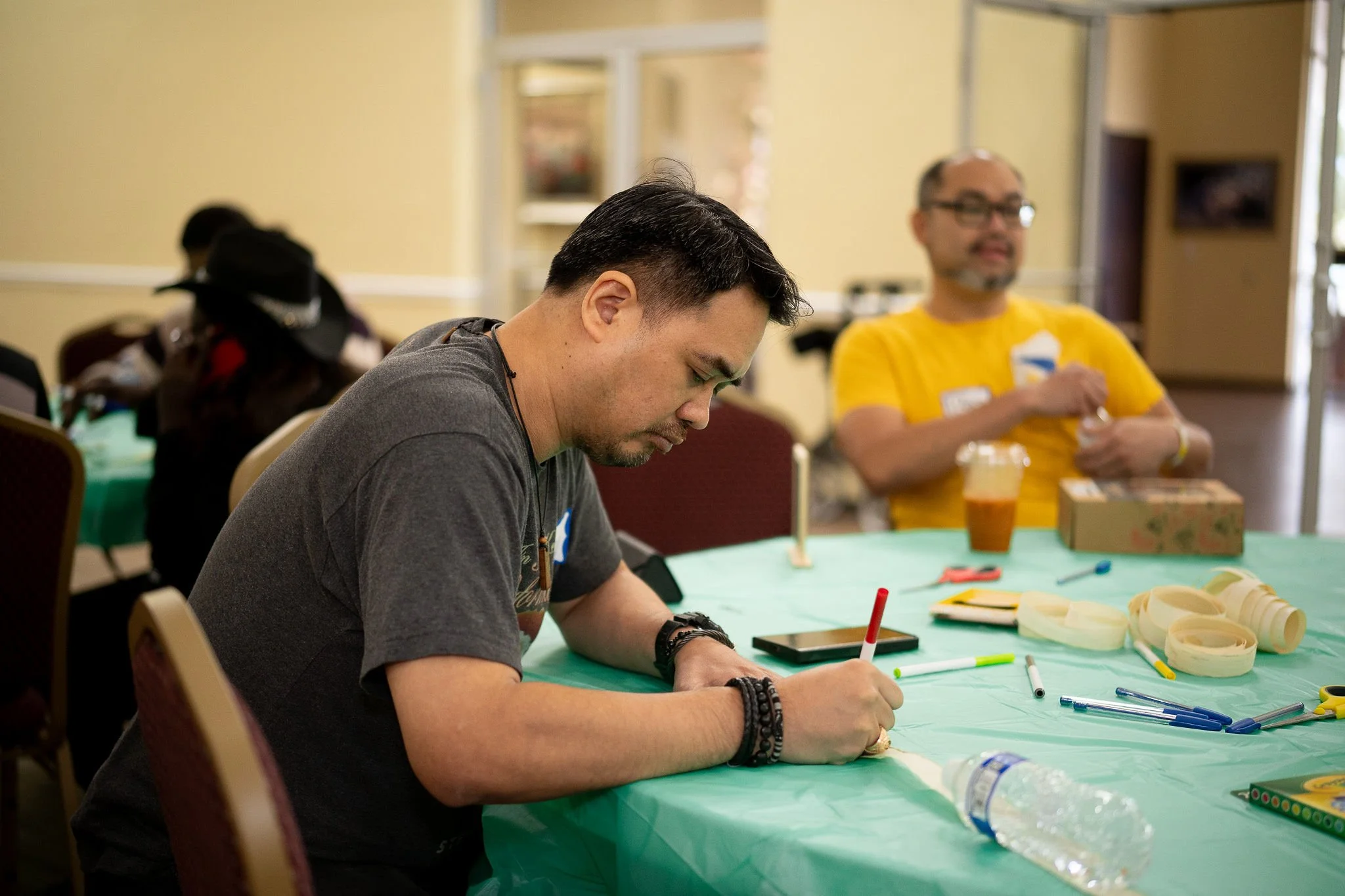
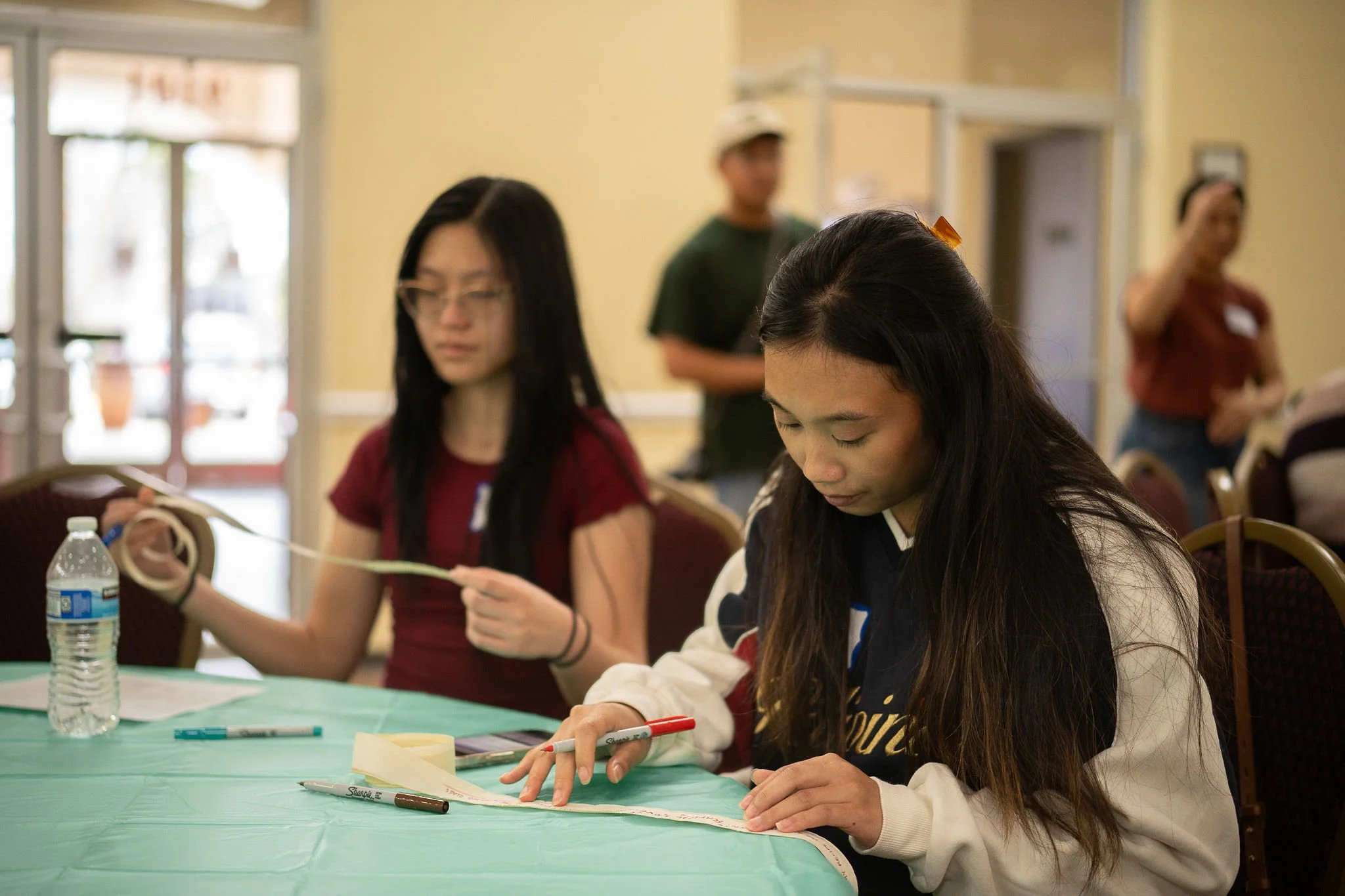
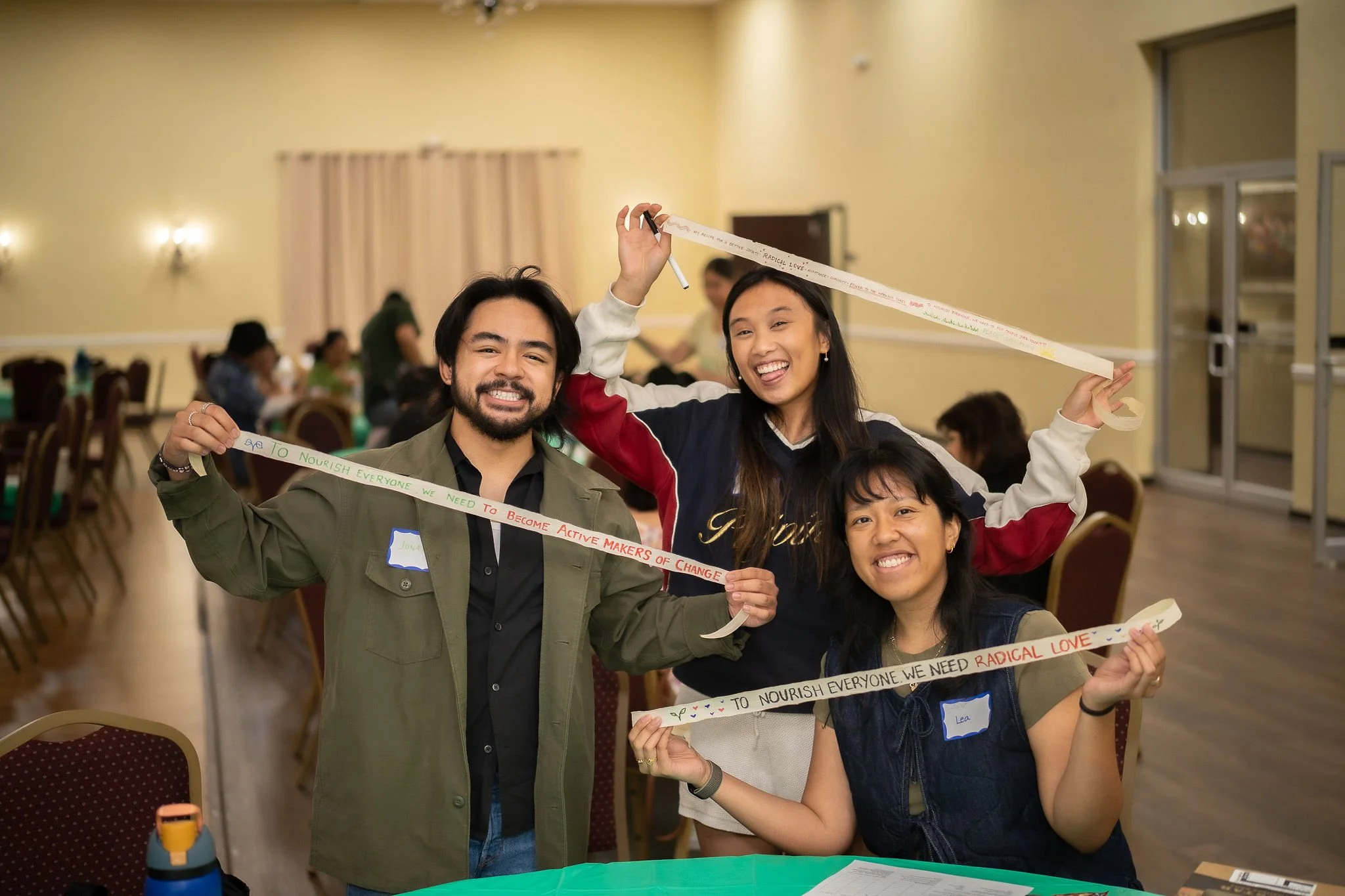
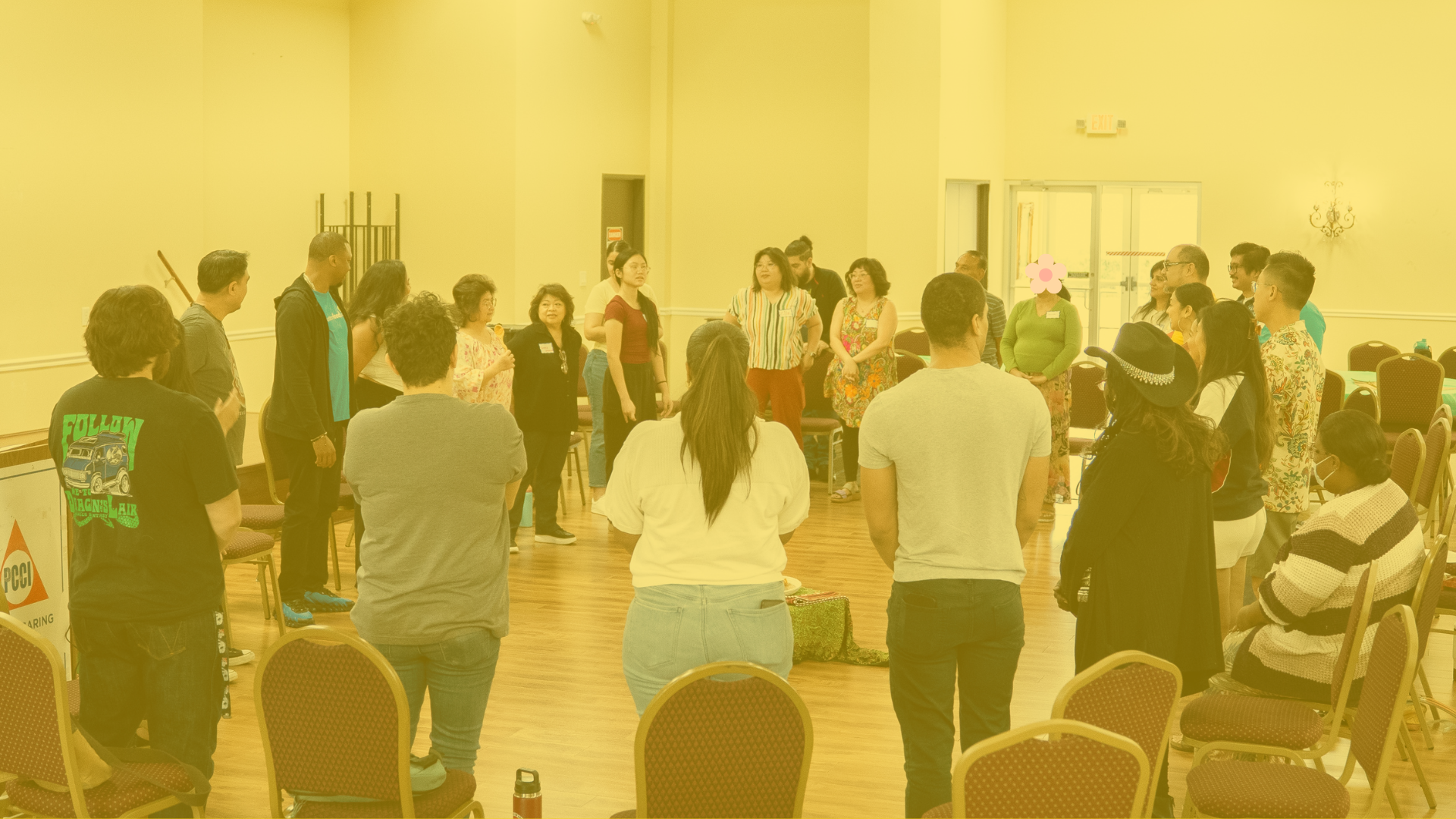
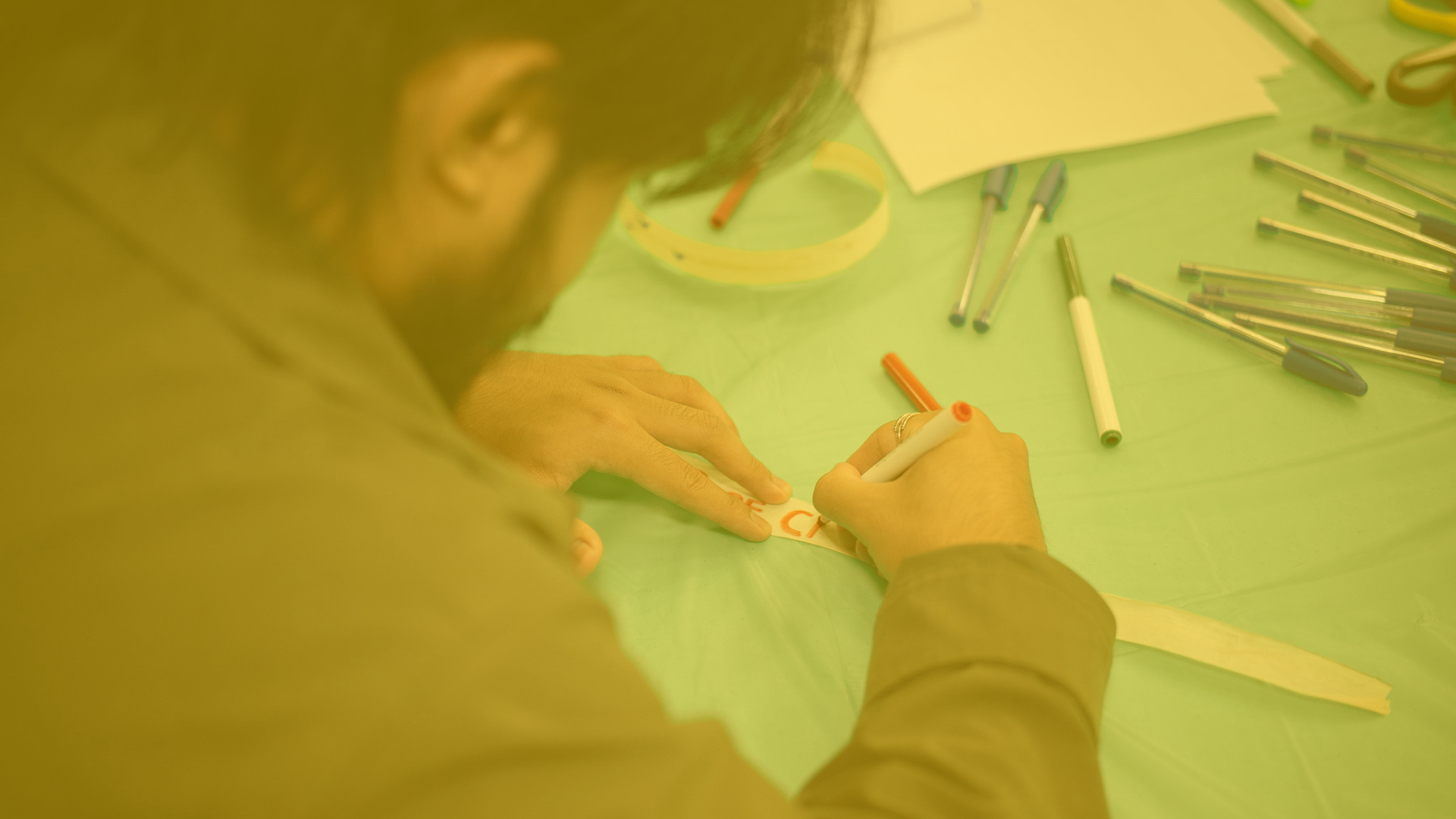
Alongside a story circle, we asked folks in the community…
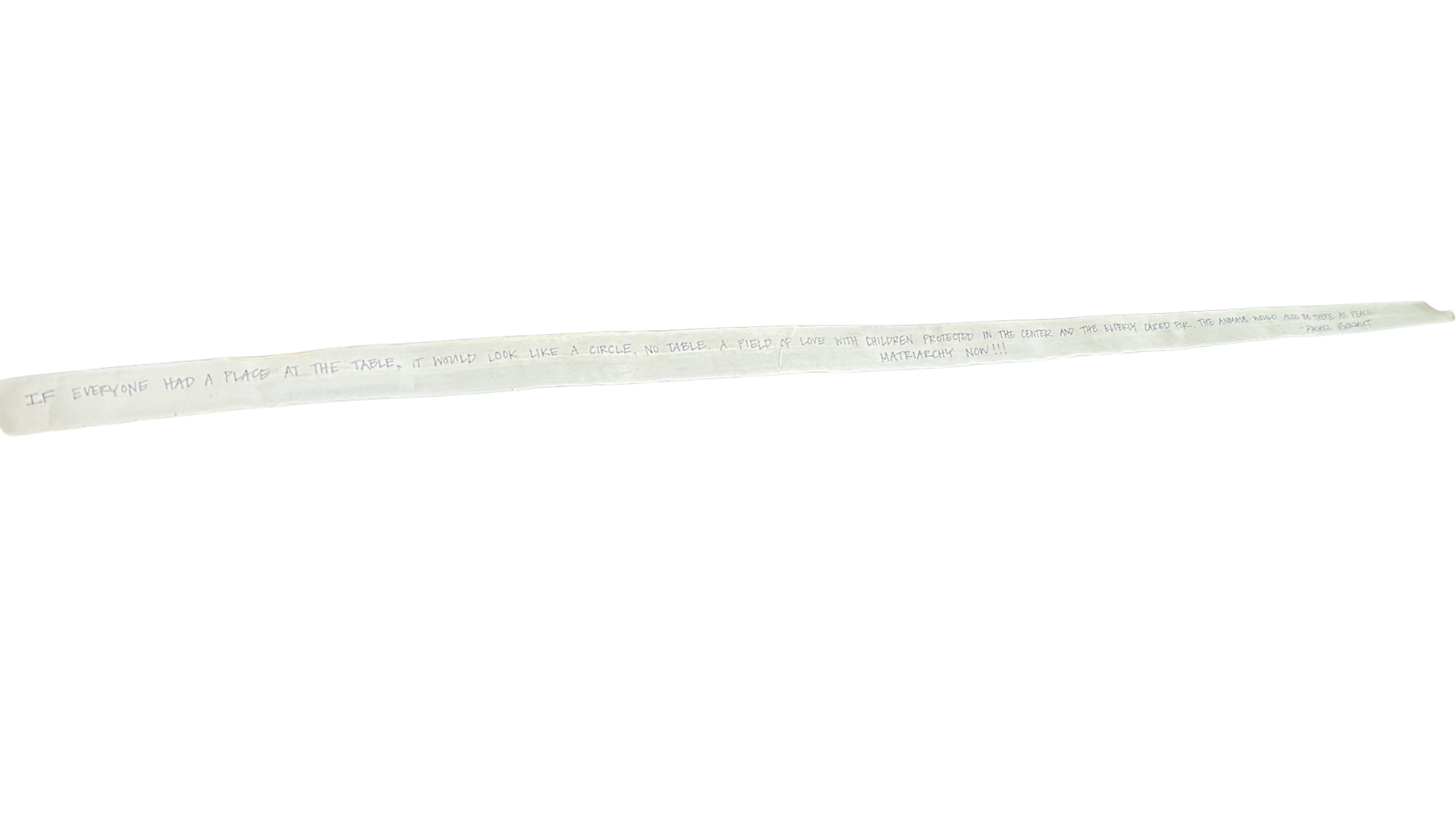
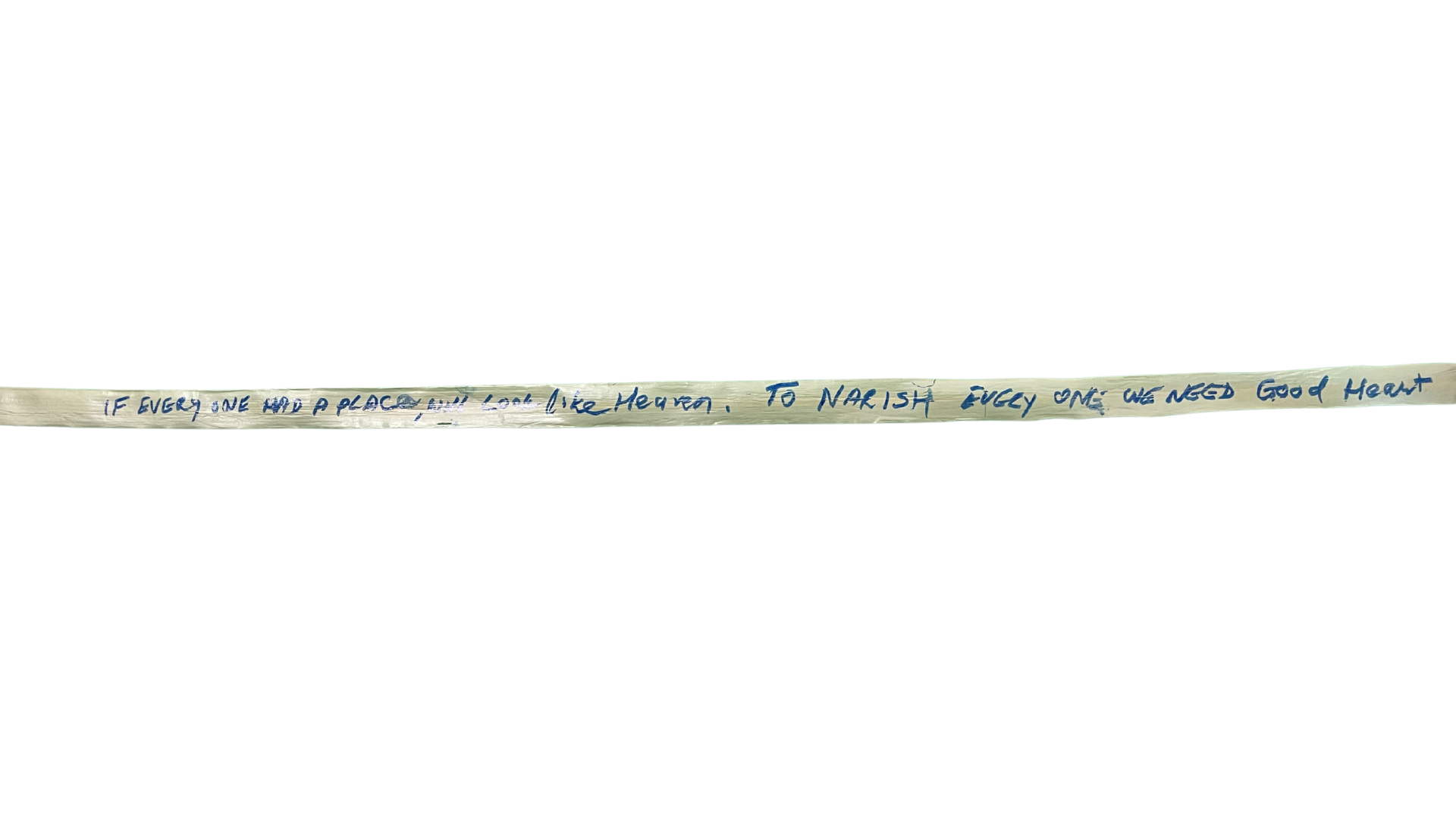
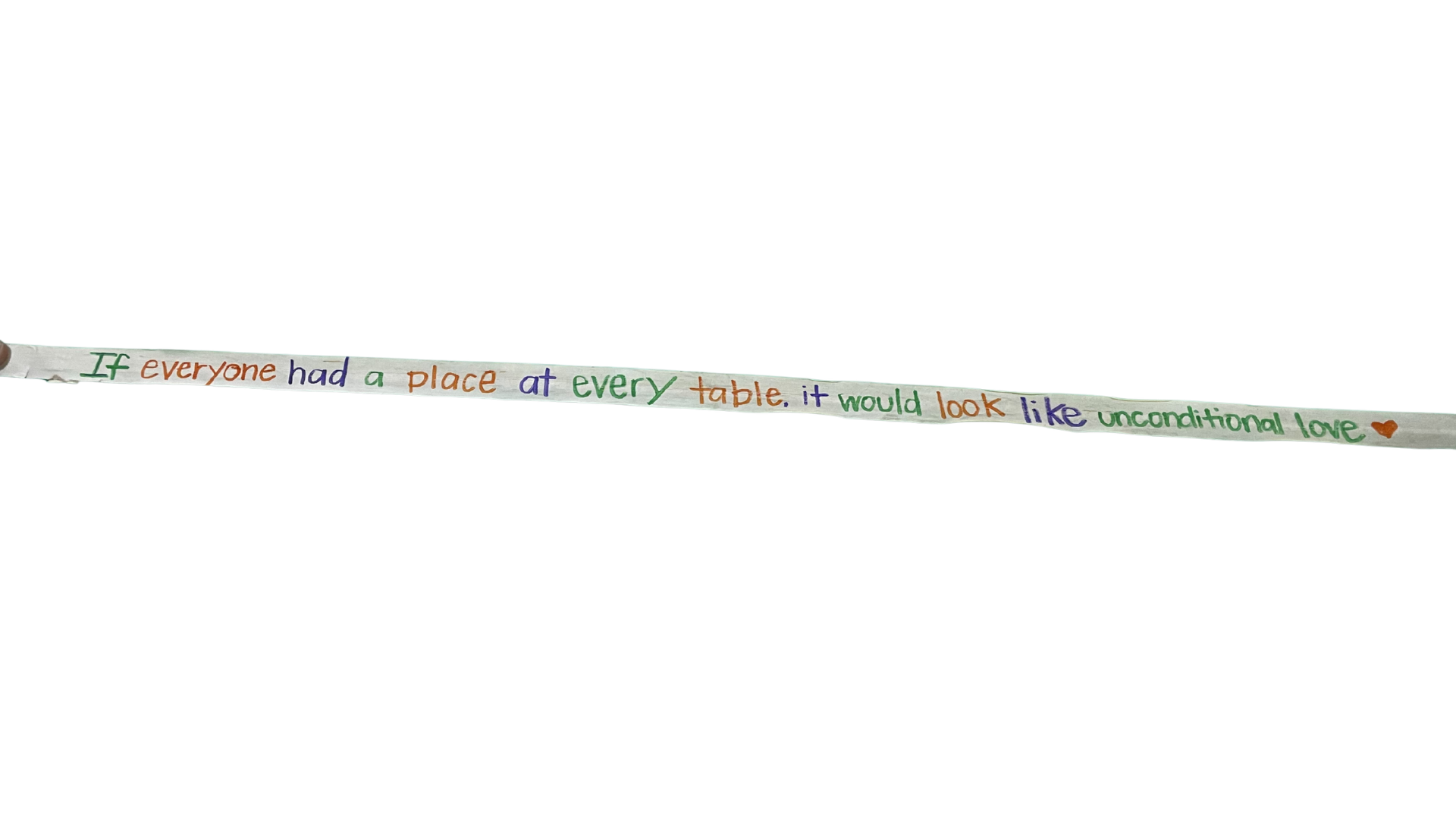
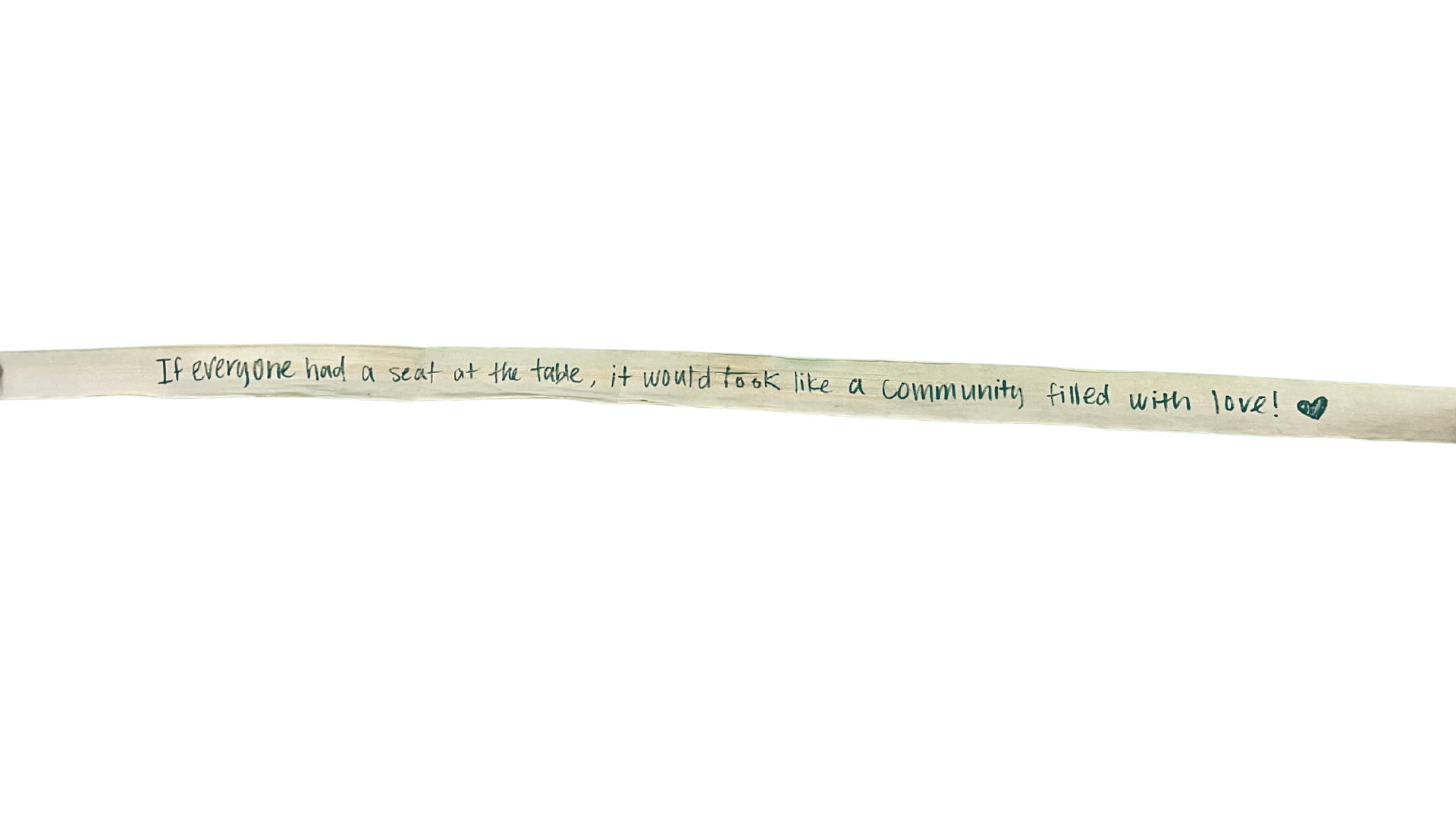
If everyone had a place at the table, it would look like...
✍︎
If everyone had a place at the table, it would look like... ✍︎
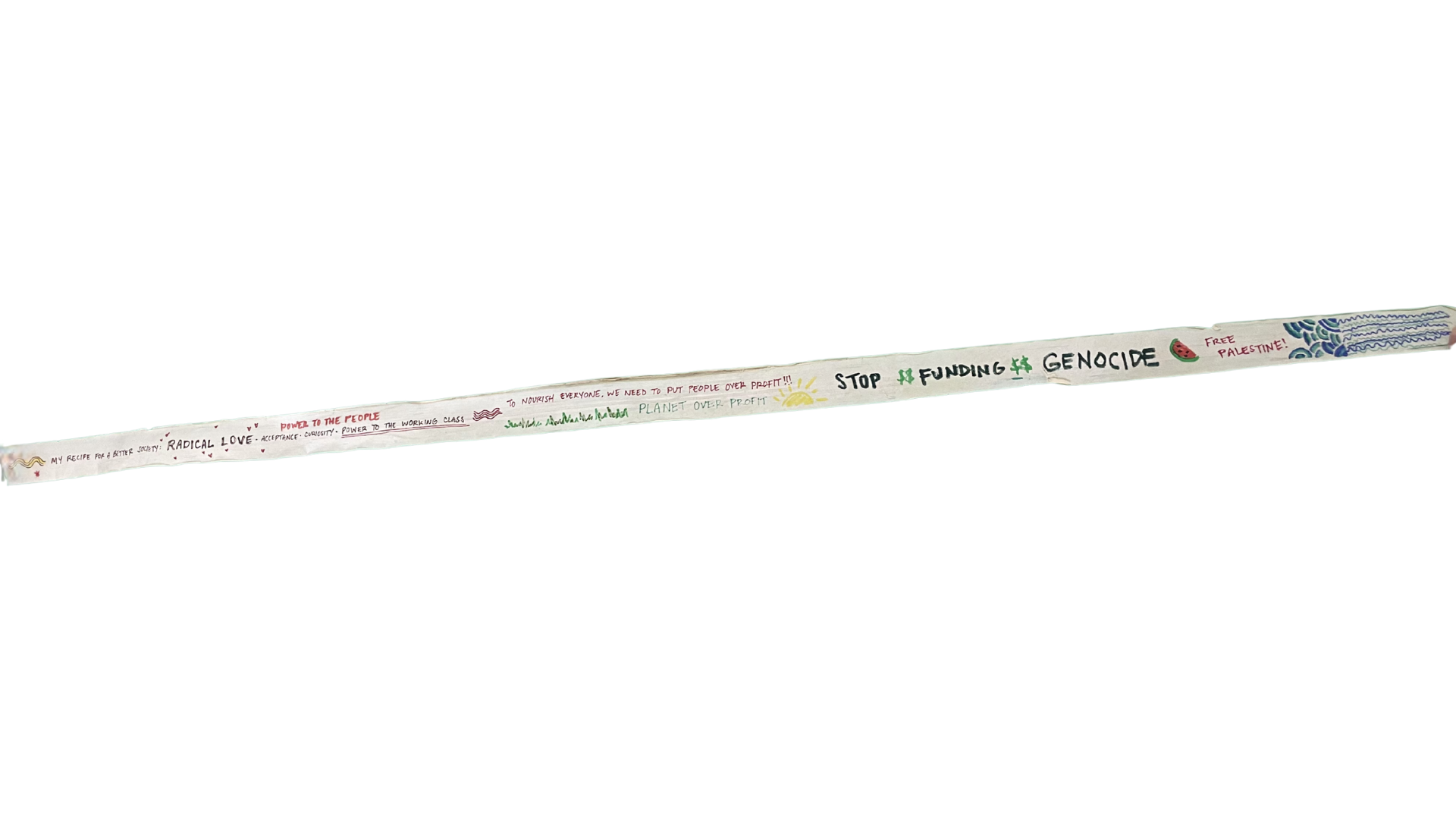
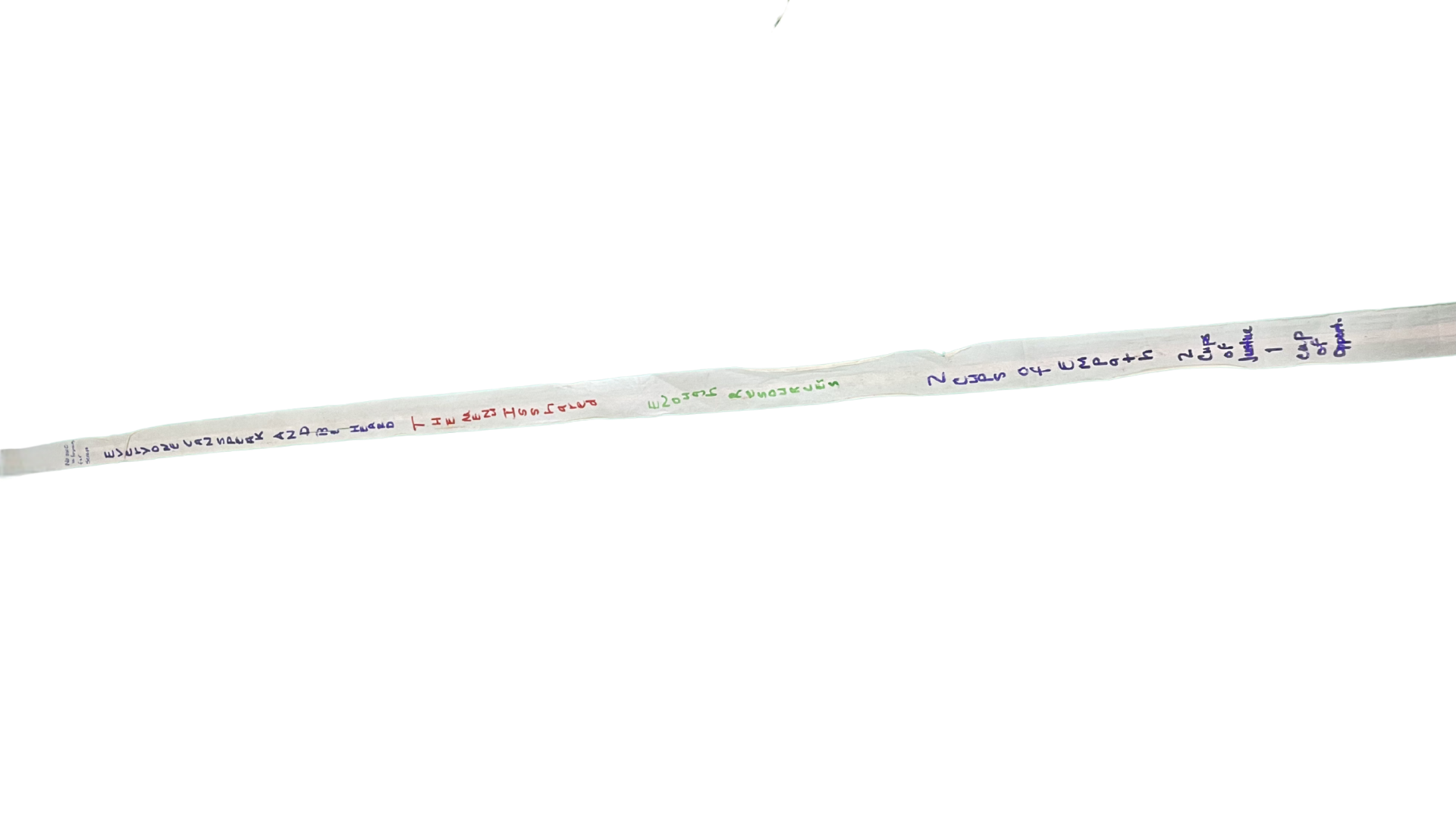
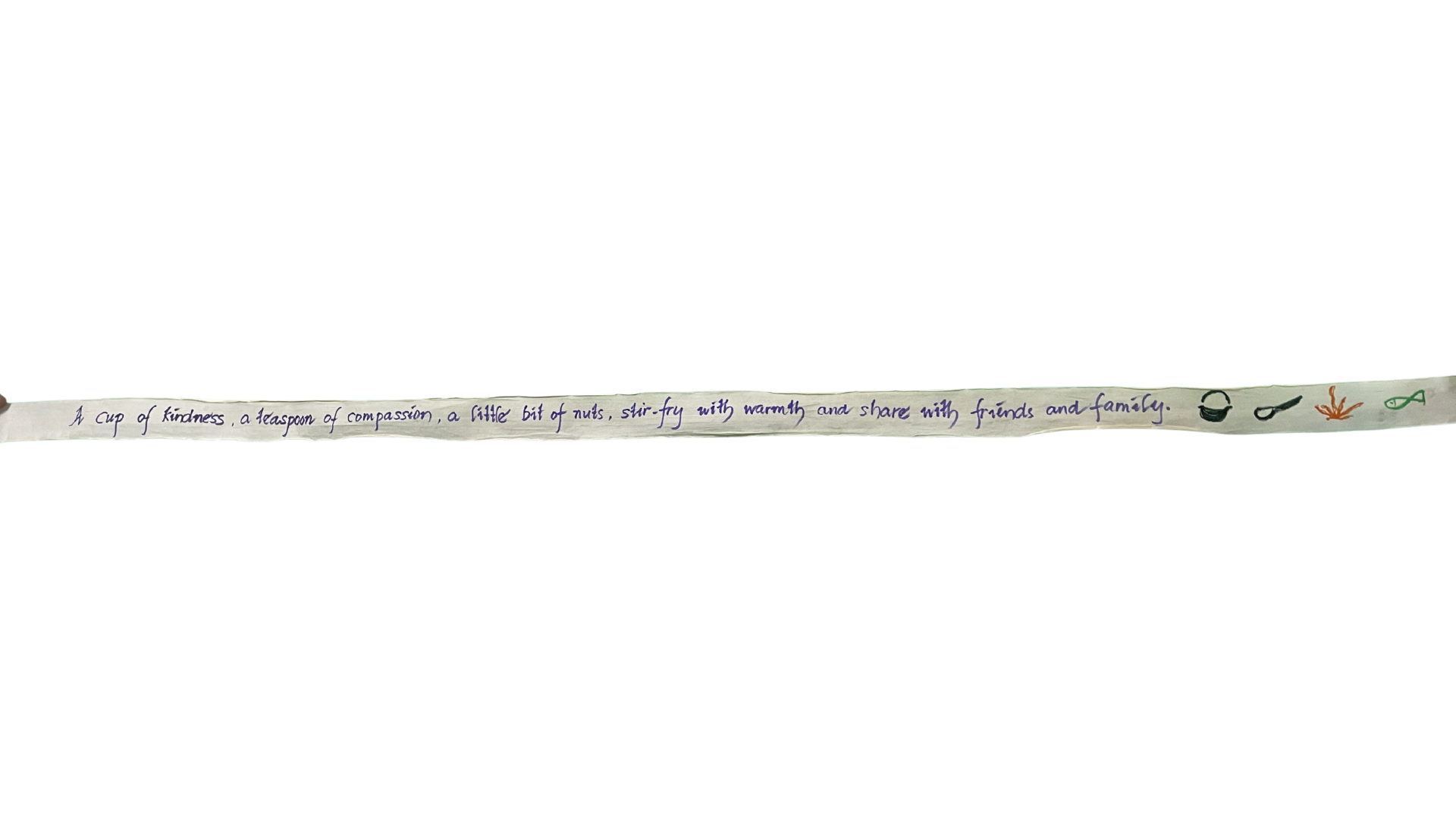
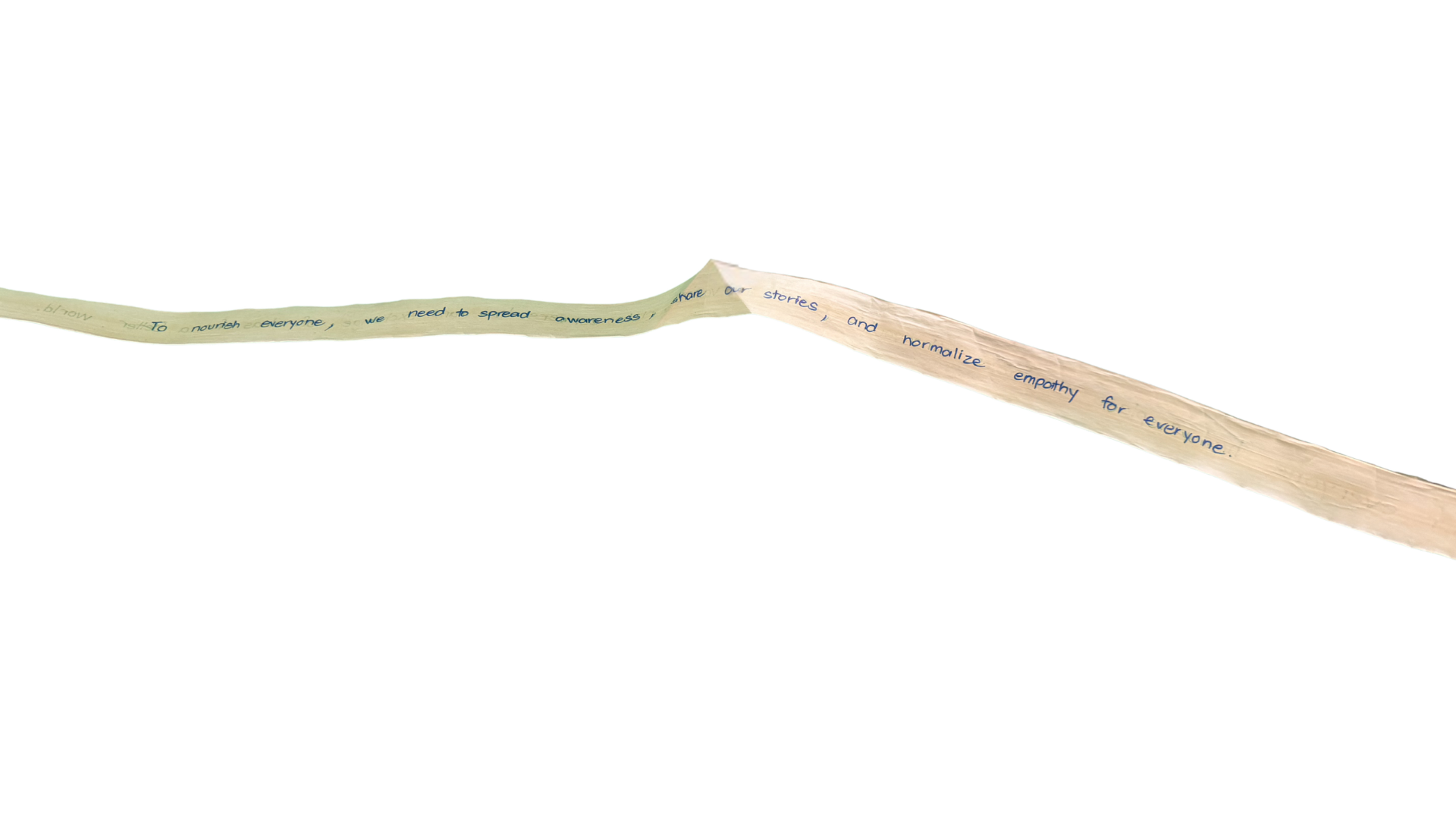
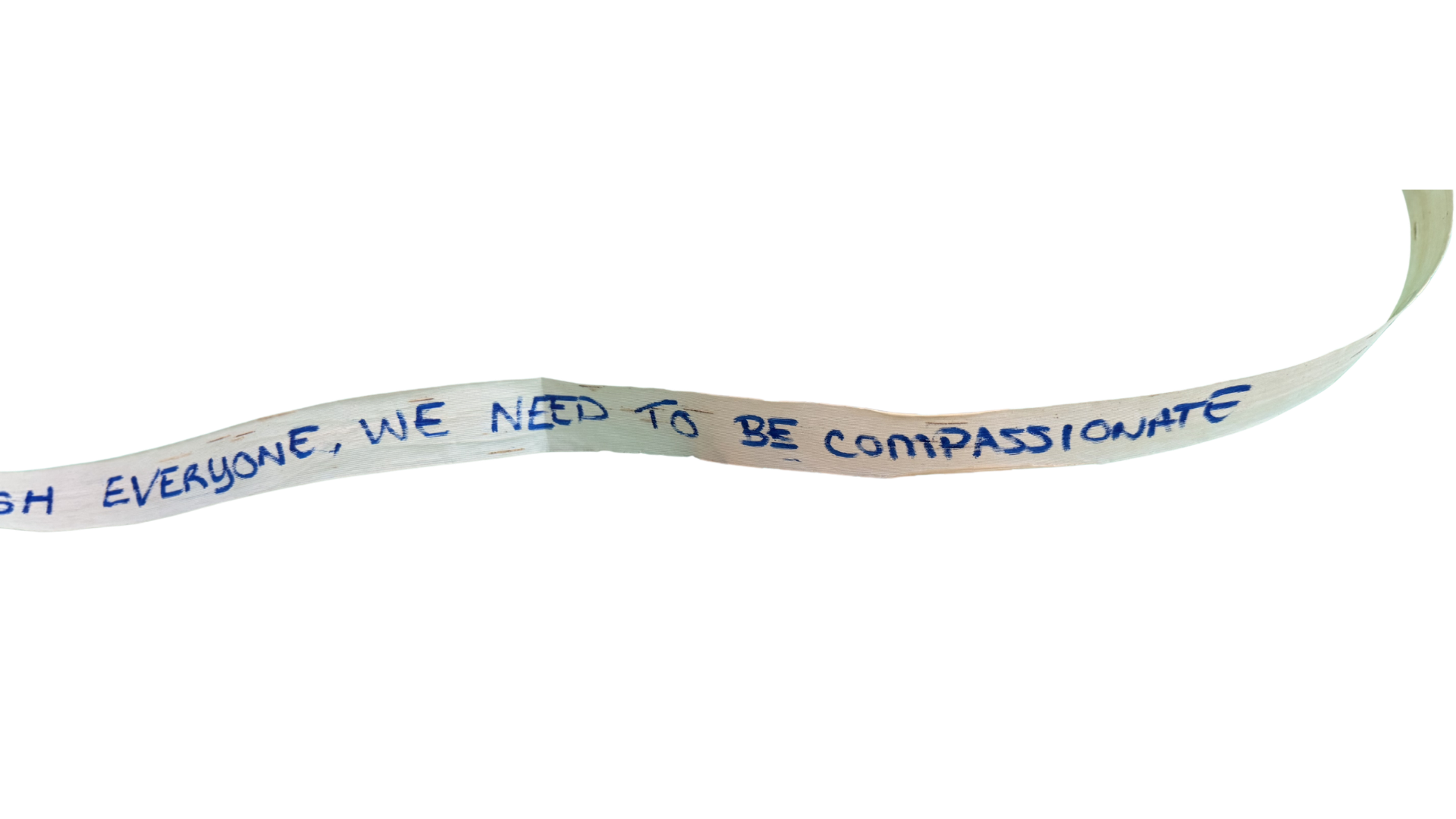
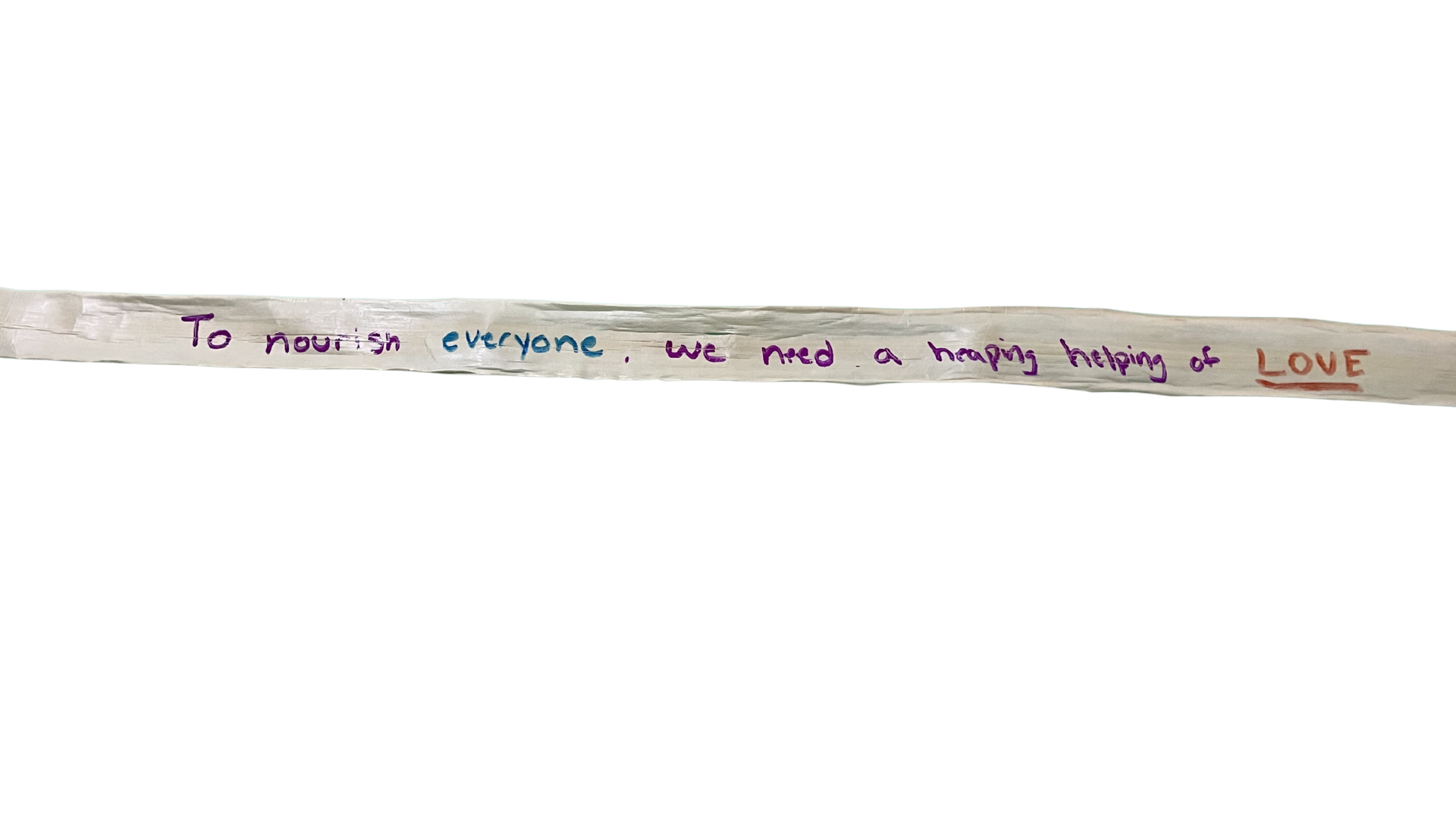
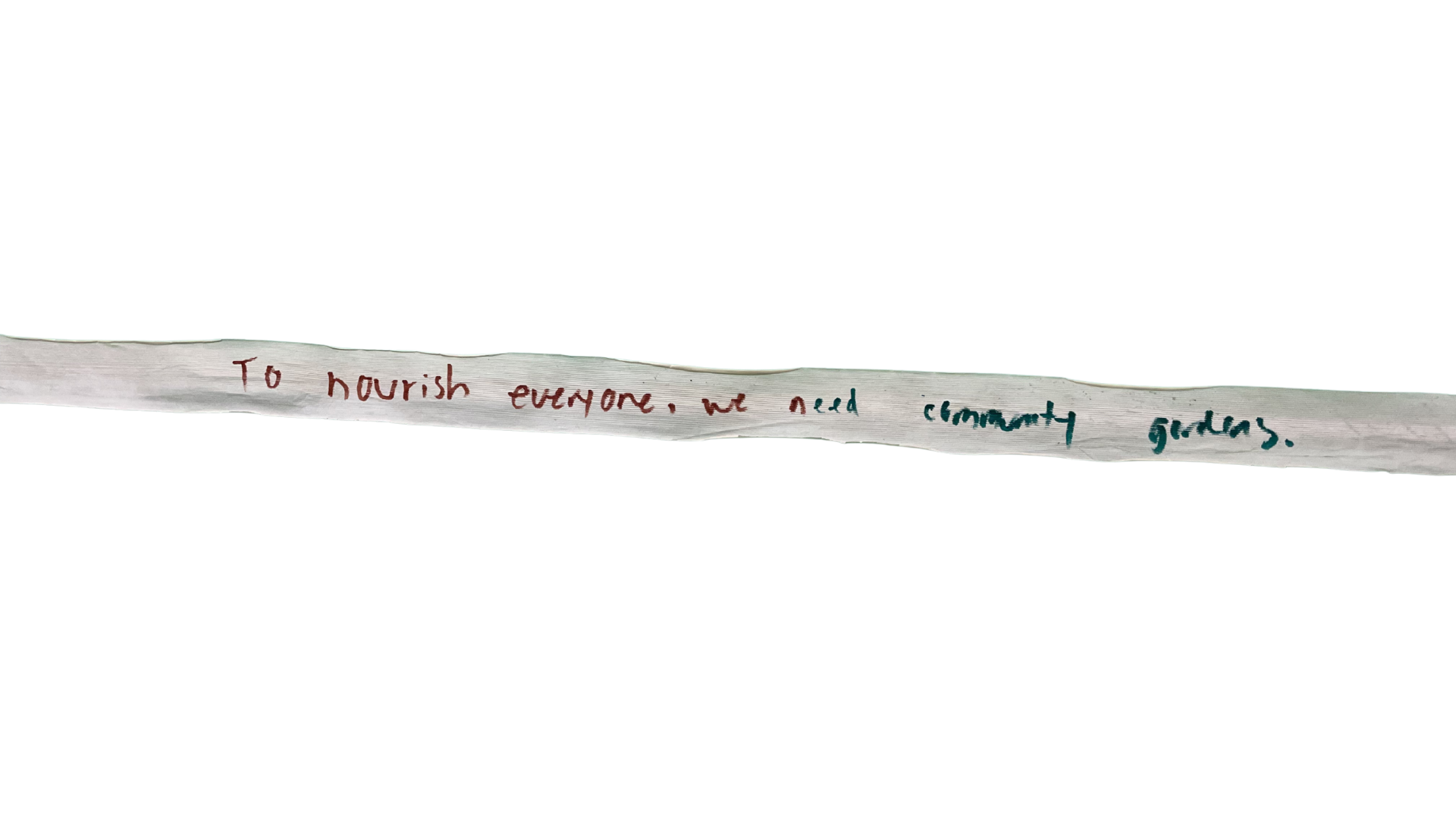
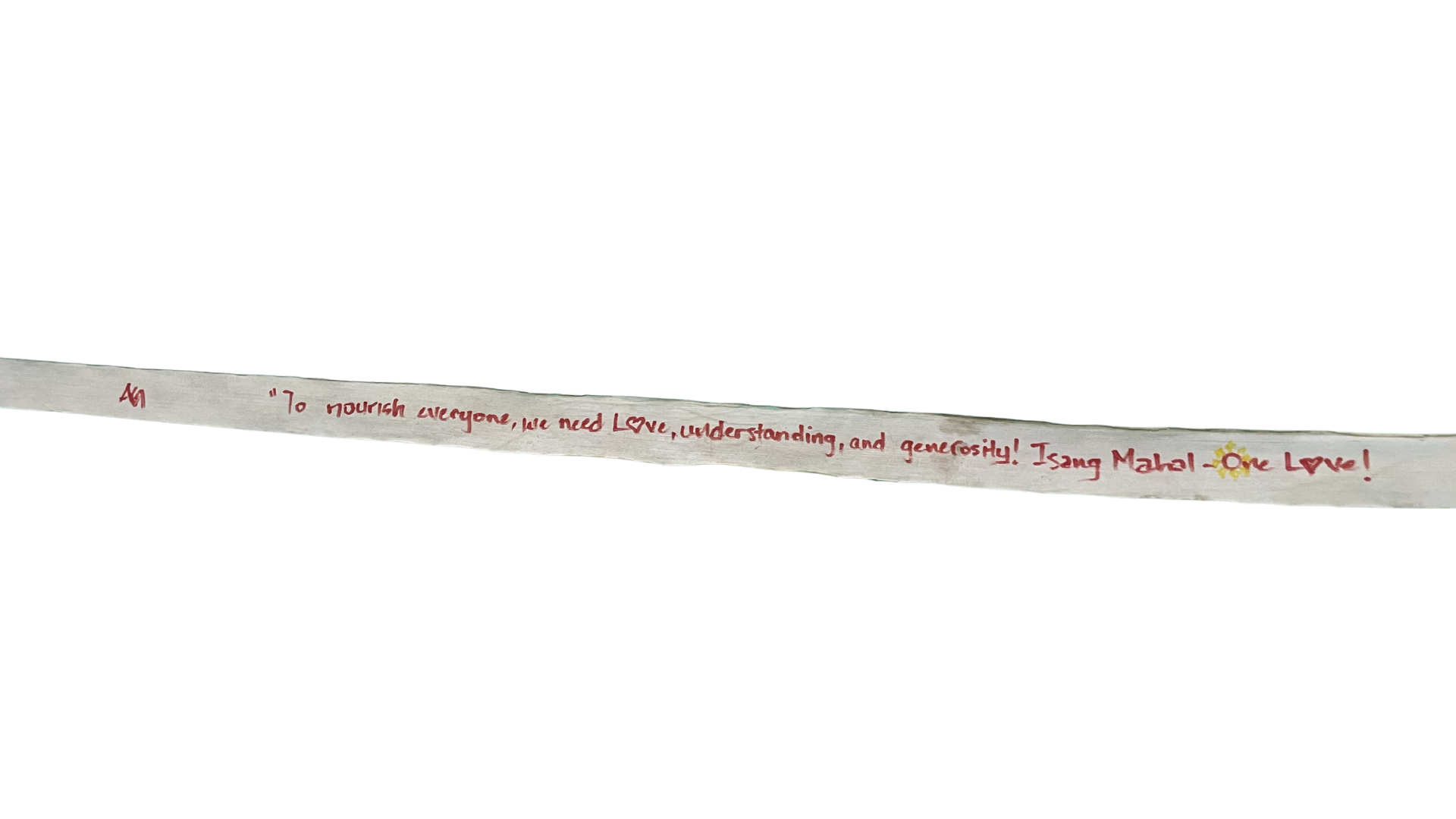
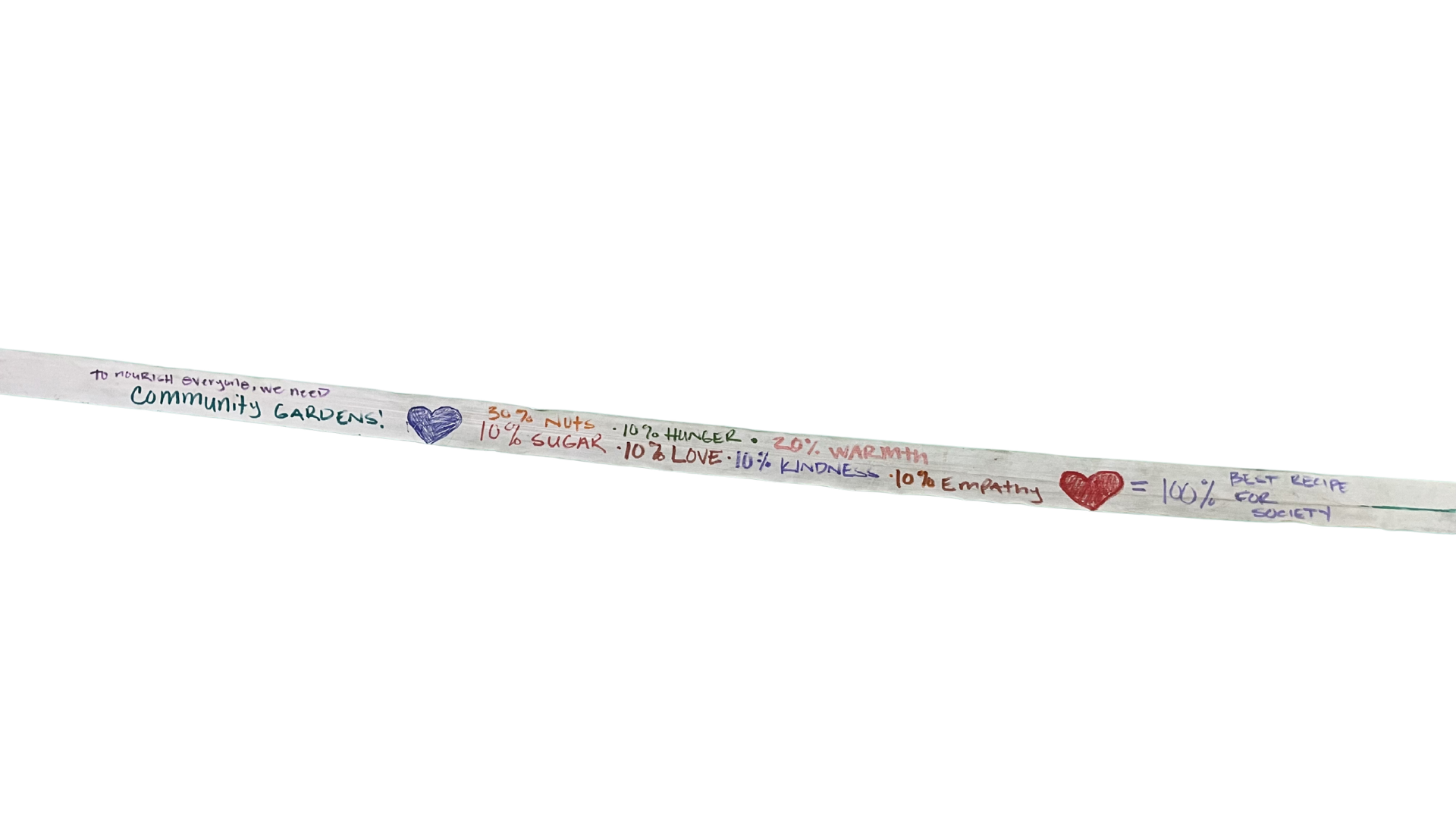
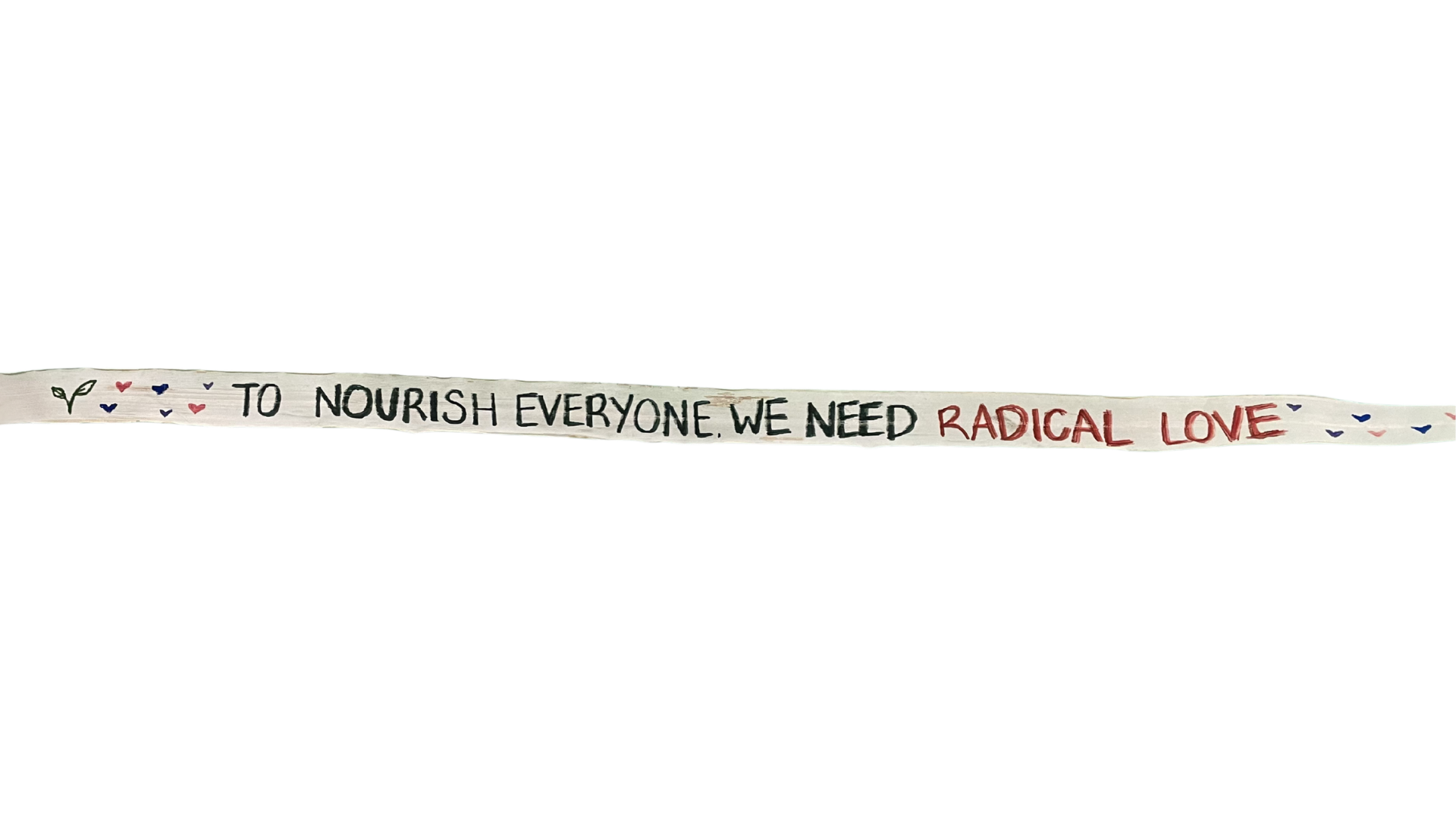
To nourish everyone, we need...
✍︎
To nourish everyone, we need... ✍︎
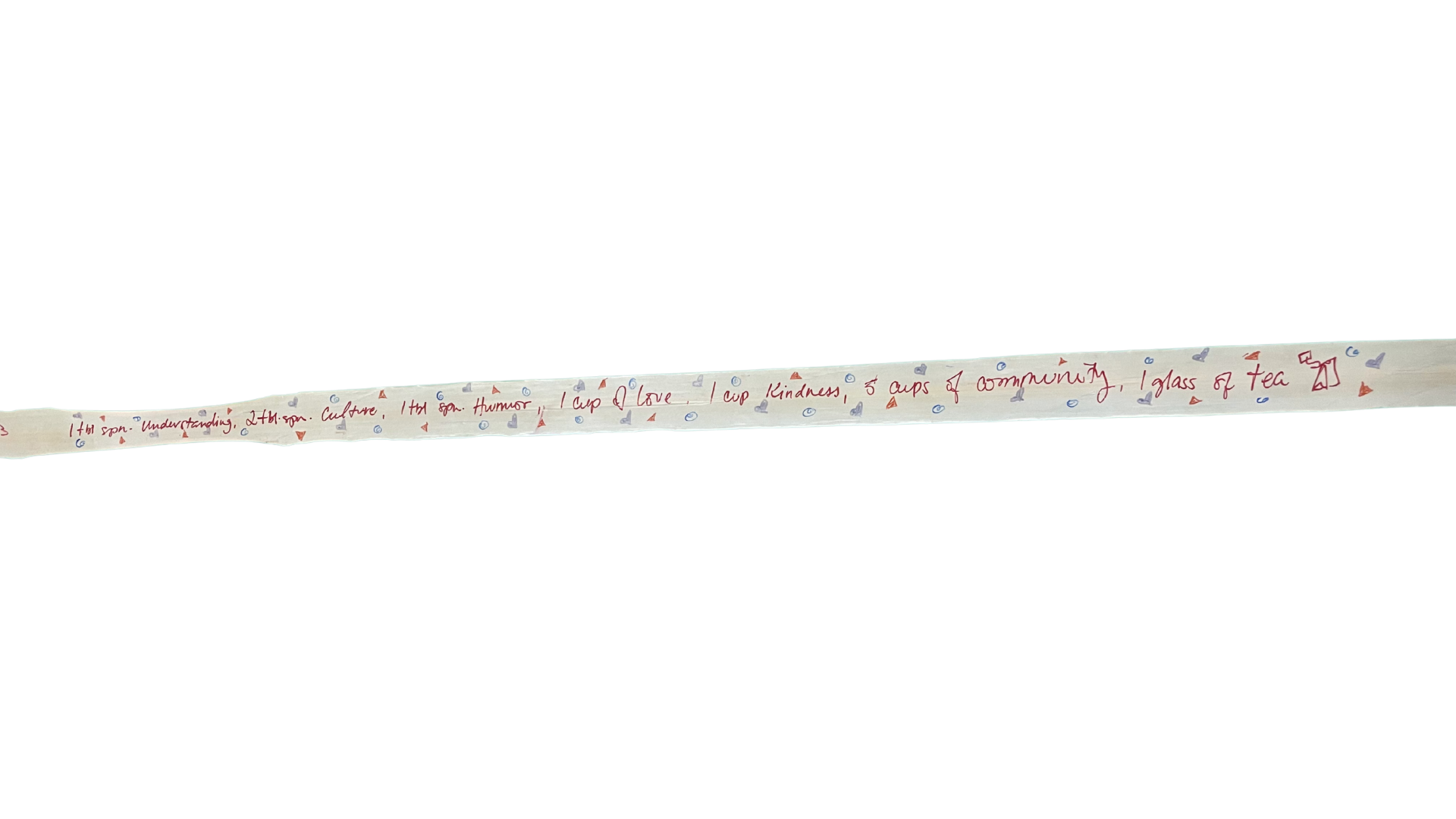
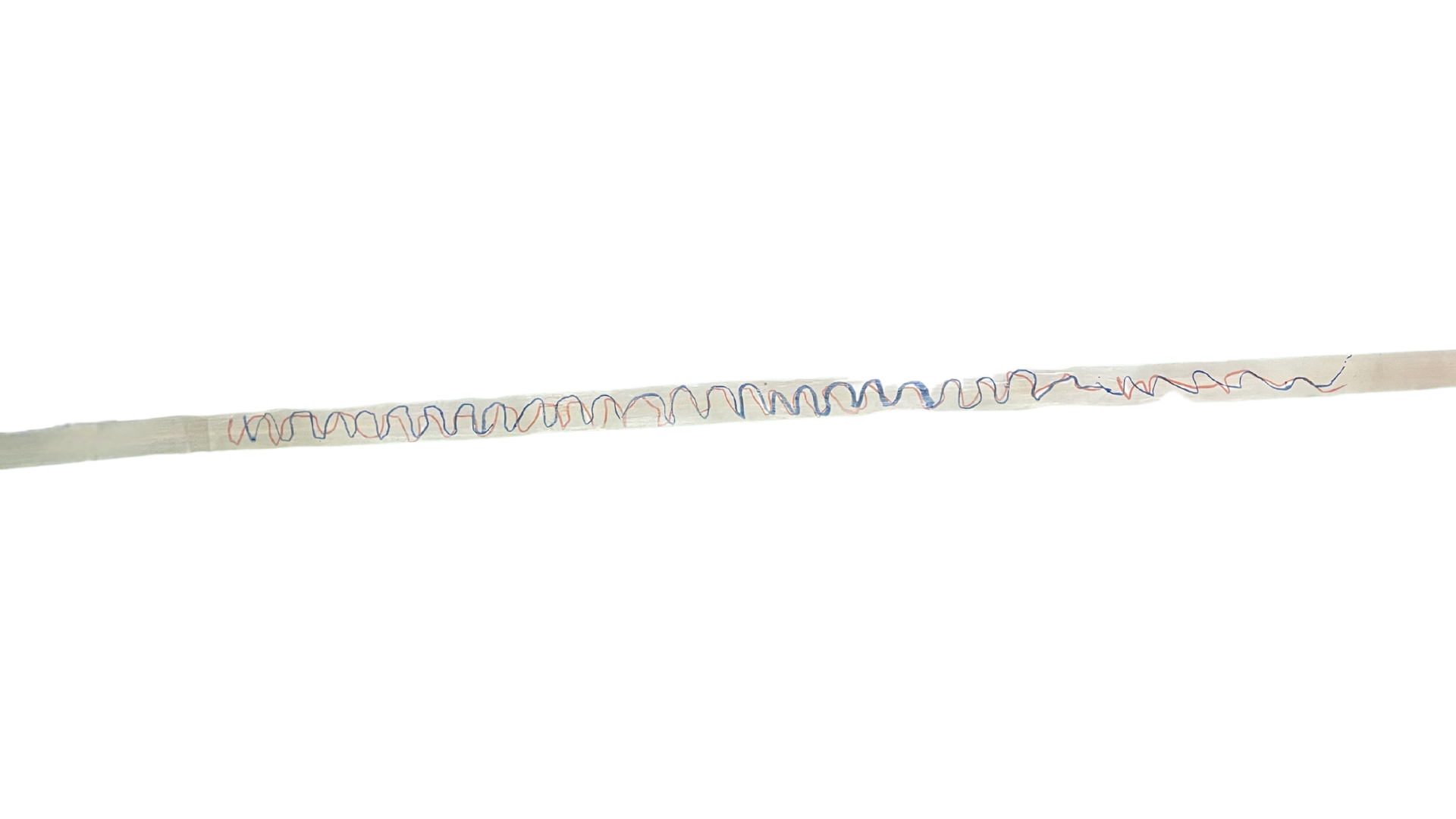
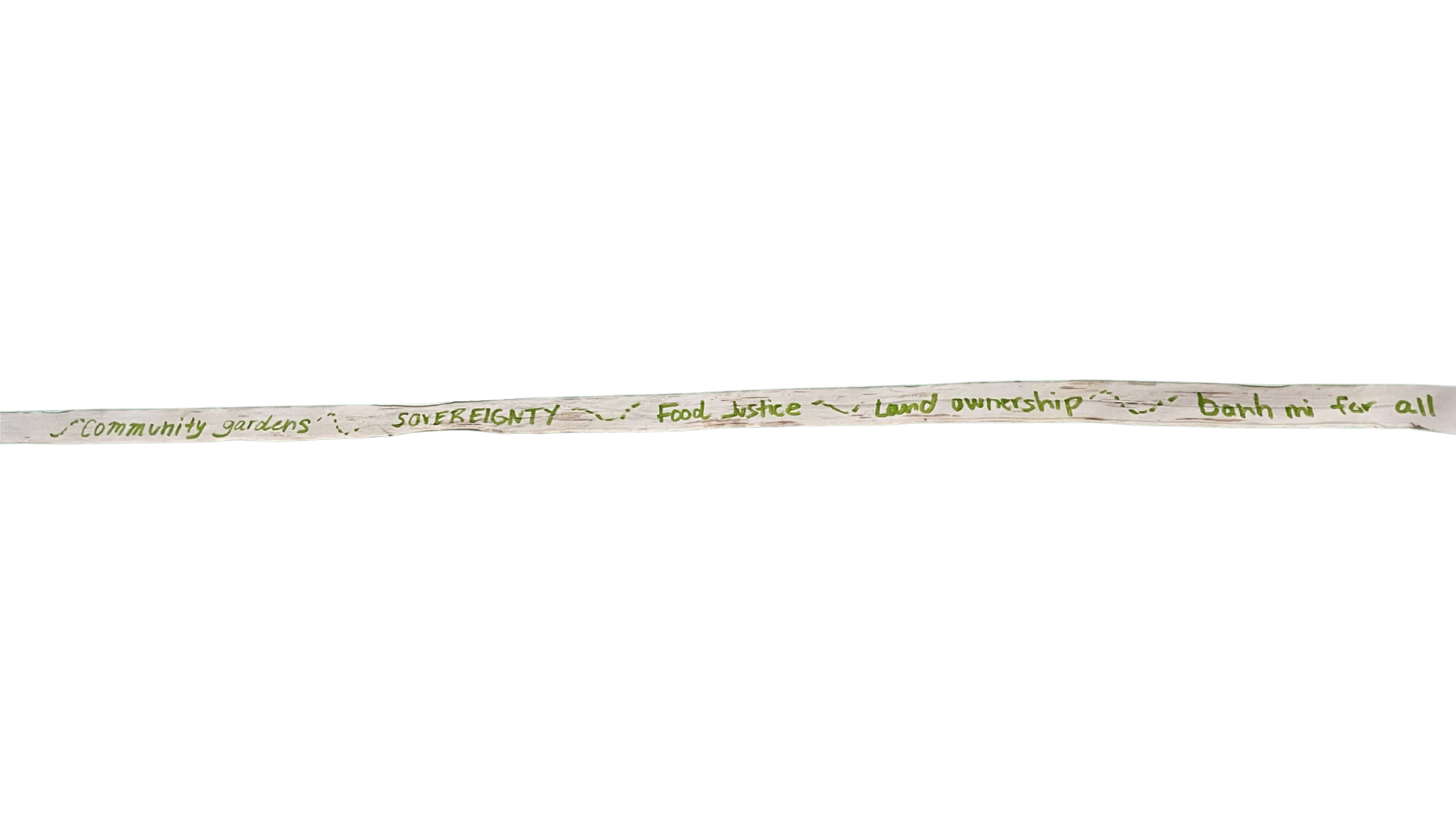
they answered:
&
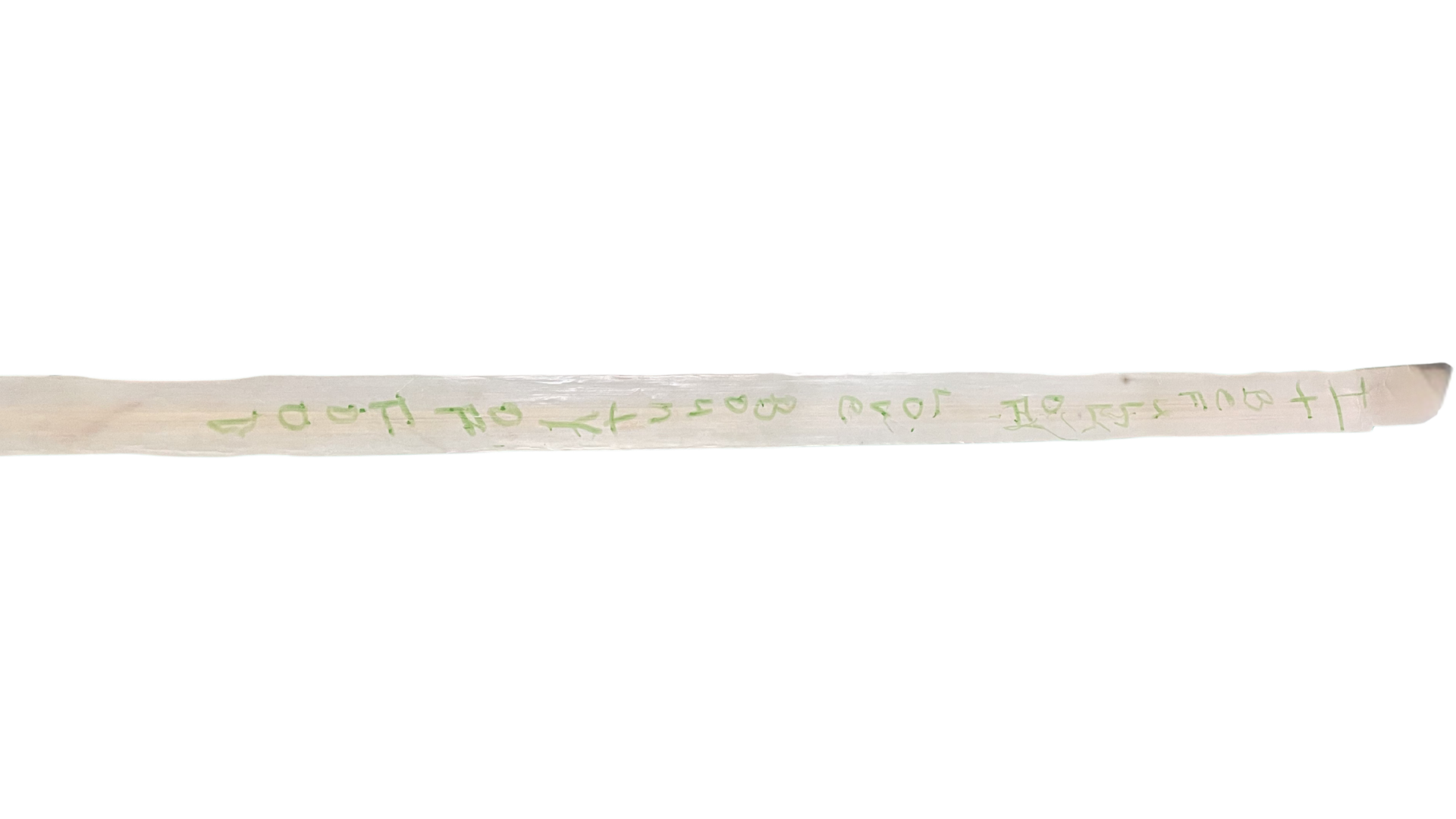
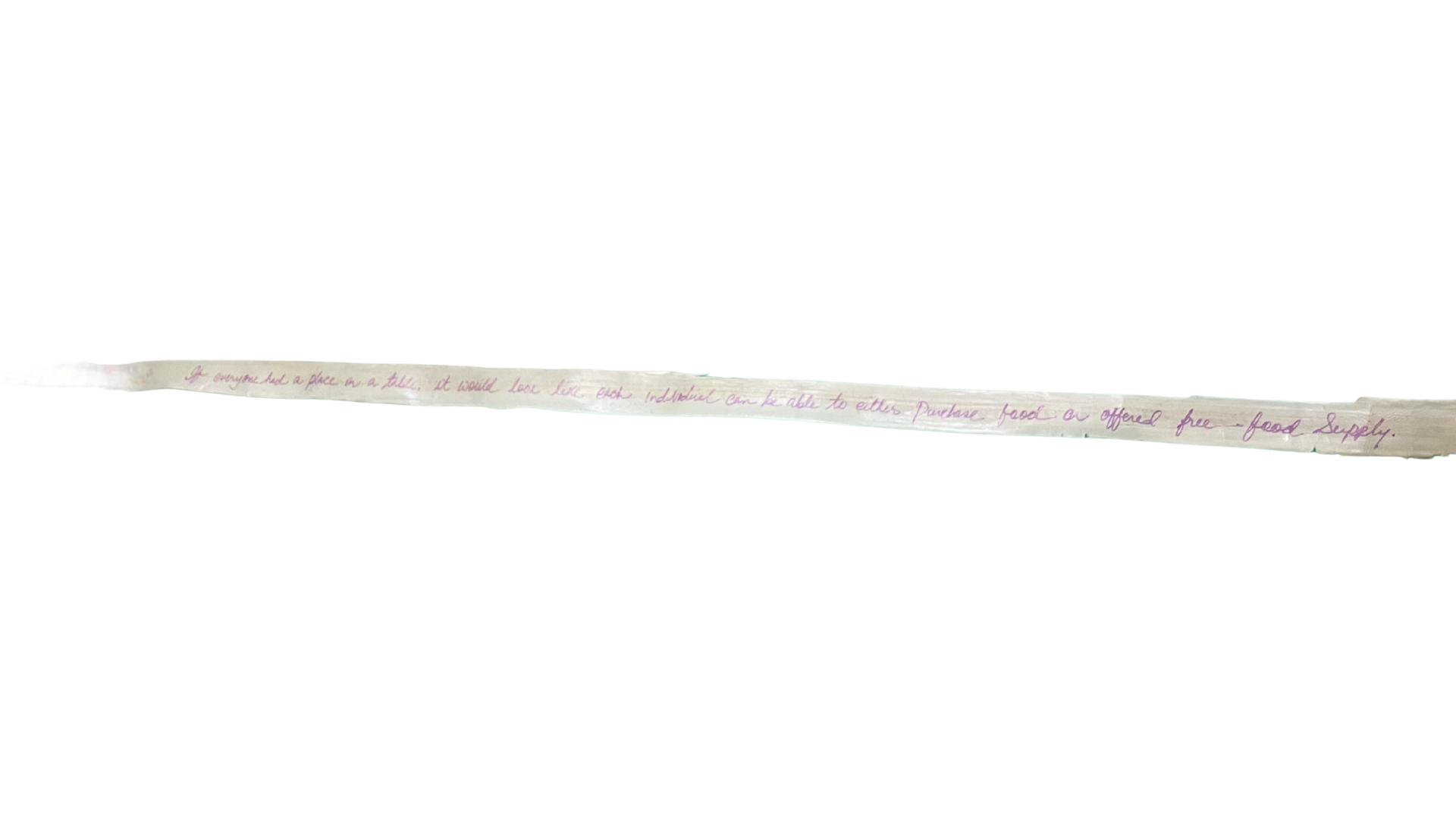
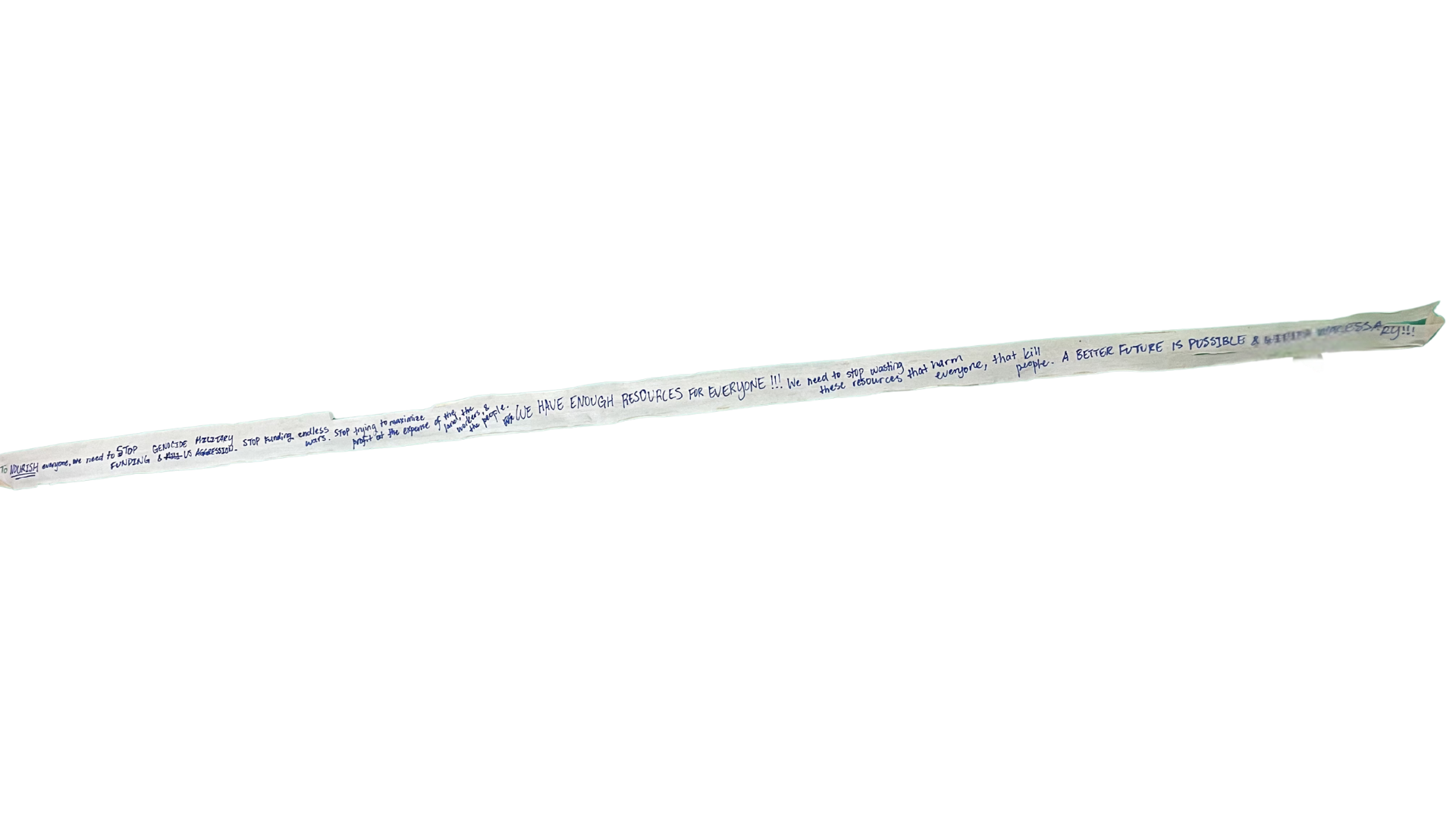
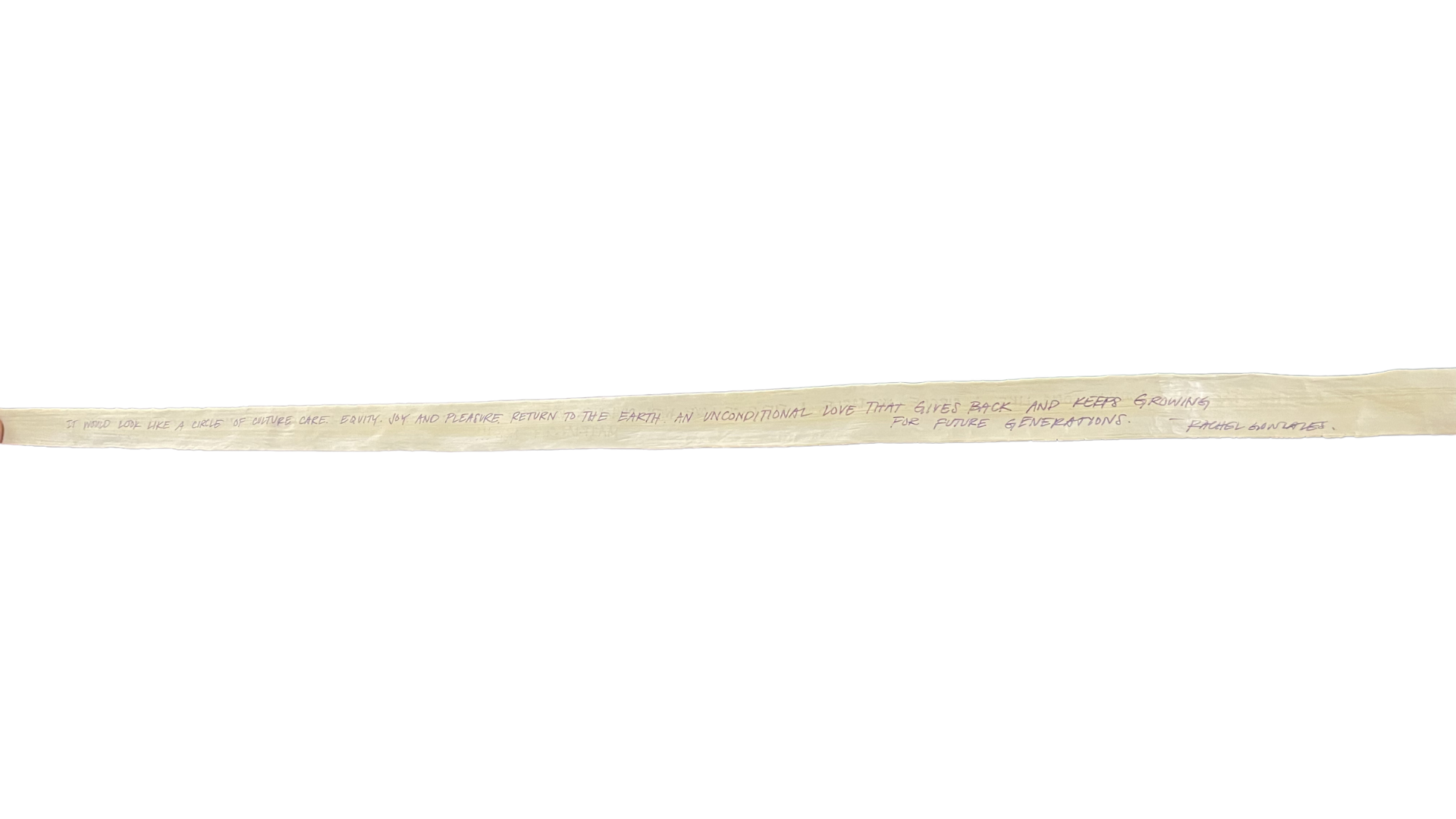
![[WIP] HFB x Lualo Slides 0307 (4).png](https://images.squarespace-cdn.com/content/v1/6321050469b9935ac9807f64/4100dadf-cdfa-4b72-b573-5878428034da/%5BWIP%5D+HFB+x+Lualo+Slides+0307+%284%29.png)
-
Less isolation - more moments of connection, even in unexpected places.A world where no one has to navigate hunger, injury, or hardship alone.
Flexibility & inclusivity - recognizing that everyone’s situation is different, and support has to meet people where they are.
A world where no one has to navigate hunger, injury, or hardship alone.
Community that checks on each other.
Small acts of care, repeated again and again.
To move from isolation into connection.
To resource each other, not just systems.
Interdependence - knowing we need each other.
No one being disposable - every person recognized as essential to the whole.
Shared responsibility - understanding that survival and thriving are collective efforts.
People choosing accountability over avoidance, staying present with one another.
Communities that know each other deeply - not just by name, but by story.
Resources shared horizontally - not controlled by a few, but circulated by many.
People organizing together to meet needs directly, not waiting for institutions to catch up.
-
…neighbors showing up for each other in small, unexpected ways - like an uber driver who becomes family for a moment.
…a space where asking for help is met with care, not shame.
… people checking in - noticing when someone hasn’t eaten, when someone is alone.
…decisions being made with the people most impacted, not for them.
…land, air, and water treated as relatives to care for, not resources to extract.
…no one being filtered out by eligibility, paperwork, or worthiness tests.
-
…collectivism - the understanding that we are responsible for each other.
…mutual aid - people stepping in where systems fall short.
…access - to food, transportation, time, and resources.
…each other - not just in theory, but in practice: in rides given, meals shared, and a collective commitment to care beyond ourselves
…support that feels human - not transactional, not conditional, but rooted in relationship and dignity.
…a willingness to be both giver and receiver - understanding that we move in and out of needing support.
…environmental justice, clean air, safe water, and healthy land as non-negotiable.
…to hold space for grief, knowing that love makes room for loss as well as joy.
…check-ins that go beyond “are you okay?” and stay long enough to hear the answer.
…care that interrupts harm, stepping in when someone is struggling.
…to move from extraction to stewardship, tending to the world that sustains us.